Eric Oman Callahan

What Was and What Will

We are falling apart. Right this moment. In a cheap diner with sticky red booths. Up until now, I thought I understood what’s important. A part of me still thinks that it is the things I can see; a firsthand knowing of the unimaginable. Living in a world as perplexing and fantastic as a story. But now you are telling me that it is not enough, and I must ask, what could be more important than a miracle?


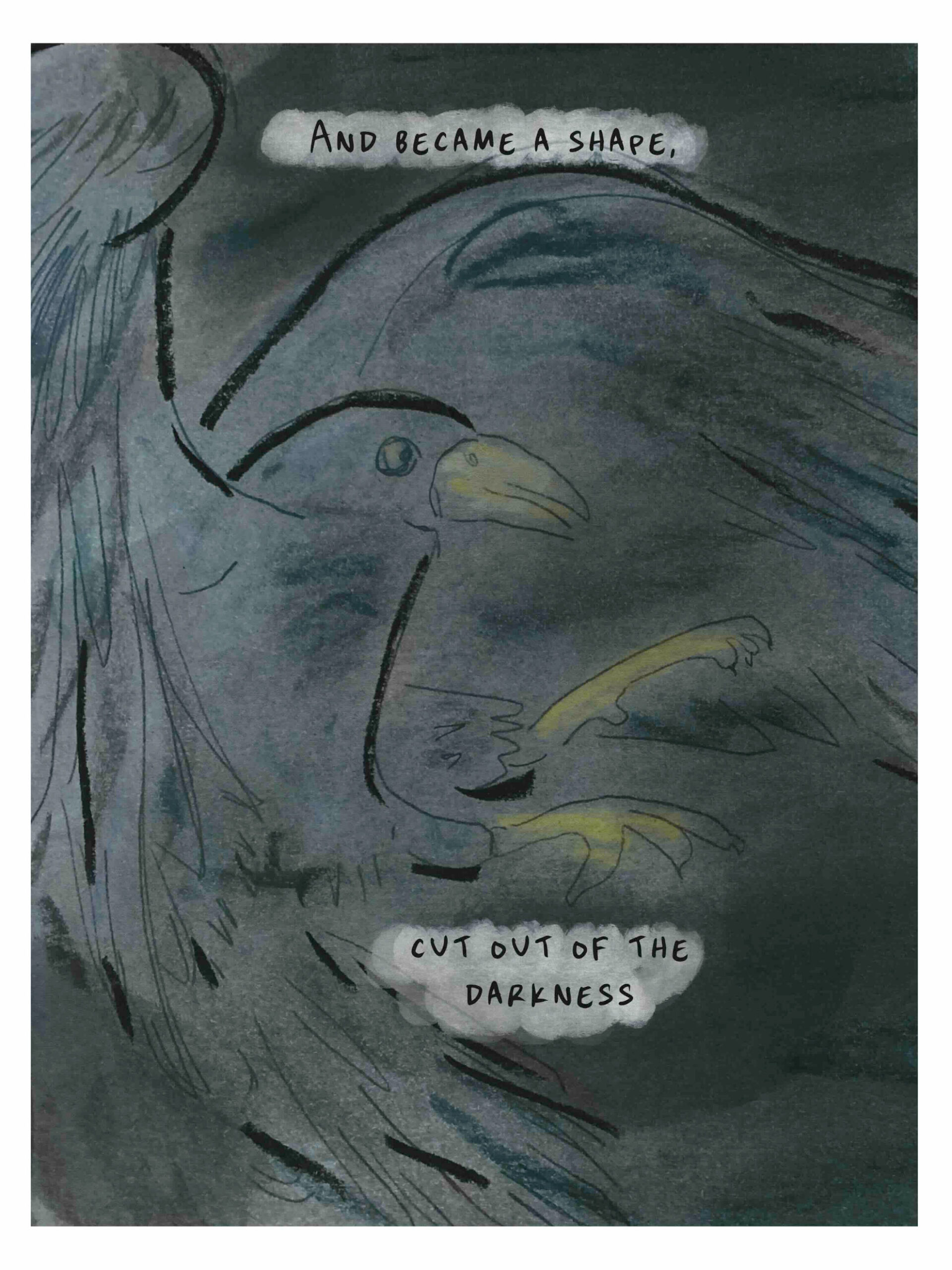
The first one I remember happened when I was 6 years old. I saw a flock of birds heading towards the river at sunset. Ravens or crows, I couldn’t tell the difference. They coalesced. A pulsing beat of wings and caws that echoed off each other. The shriek of their voices thrust–knives cutting the air–and I was forced to stop and look up. The longer I watched, the thicker they grew. Birds came from every way to join the black mass. The street was empty and I was alone as it happened. It felt like watching an eclipse that only I could see. They grew thicker and thicker, growing so strong that the lines between the birds vanished. It was just the shapes of feathers, wings, talons, and soon those were gone as well. They became undulating darkness, indistinct from one another, a blemish on the dusk horizon. Yet still they moved. It moved? And as the blob travelled through the sky, I started to recognize it as a cloud. A dark cloud. A cloud for rain. The kind you see and feel must bode misfortune. 


I will only recognize that this moment was not an ill omen when I am 60. Then, I will see a cloud break apart into swans, their limber necks untangling like a ball of rubber bands being fretted at. It will be a day of burning blue sky and the lake will be dappled by small froths as wind scours the surface. Once the swans are all free, I will hear the clarion of their call. As a cloud they are mute, either oppressed or simply content in singularity. However, once individual, apart, alone, the geese will need to cry out and hear some return. I won’t fully understand what it means–for birds to be clouds and clouds to be birds–but I will know that it is a fact of the world and not some portent of terrible years to come.


As a child though, I began to dread birds. I lived on the border of the city. Sidewalks yielded to gravel and grass, and all the houses were low and needed new paint. We had chickens and I was afraid of our backyard. The flap of their wings made me jump and the small ruts in the dirt left by talons seemed like promises to violence. Most of all, I was scared that they might mush together into a storm cloud that rained eggs. I didn’t know if bird-clouds could rain, but I was 9 years old, so I imagined it had to be eggs. Only from the safety of the sliding glass door would I watch them. That summer I saw a hawk kill one of the smaller hens. At first, it was lightning, a blur of speckled brown and white that crashed out of the sky. And then it was horribly slow. The talons wrapped around the hen and they rolled across the lawn, thrashing and squeezing and twisting and ripping and wrenching and killing. After the hen fell limp, the hawk fluttered to the other side of our wire fence that kept coyotes out, and there it began to peck. I stayed behind the glass.


My father will die when he is 82. There are 25 years that separate our age, but as he dies it will feel like centuries stand between us. It won’t be at home. It won’t be peaceful. It will be like a hawk, and he will fight in its grip desperately, gasping as if something was stuck behind his lungs. I won’t be ready for that loss. I won’t be able to fill myself with platitudes. I will remain in awe of death and its ignoble swiftness.


The first time I left the city, I was 16. It wasn’t with my parents, even though my father always promised he’d take me fishing on some weekend. Instead, a friend let me in on his family camping trip. We went to an unnamed clearing somewhere in the woods near the coast. The tent was just canvas and poles. After a while we managed the canvas into a misshapen hut, barely strong enough to last the night, but that was as sturdy as it needed to be. In the morning when I wandered out to stretch my legs, I found the forest was overwhelmed by blue. Never had I experienced such a light. Everything was submerged, as if the ocean had come to reclaim the world.

I floated between fir and fern, glancing springs of wild huckleberry and trillium, turned coral in this new light. Dew filled the air and the ground was soft to my steps, yielding an aimless path I was happy to be on. For hours I went, letting my trepidation of the unfamiliar melt. Something filled in my chest, the tinted air sponging through my lungs and seeping into the fibers of my body. I did not feel the terror that had shadowed my childhood encounters with the uncanny, yet I cannot say that I felt safe. If I had been a spectator, watching myself wander off into the blue forest, it might have been different. I might have been afraid. As it was, all I could do was be within it, slaking an unknown thirst, the kind you only feel once it’s been sated and rapidly begins to dry.

Eventually the blue forest dissolved and the light returned to one I could recognize. The air breathed familiar and plants became uninspired, a predictable outcome of nature. That was my first great loss. My only desire in that moment was to return; regardless of if it was a trick of the dawning light as it cracked through needle boughs, or a phantasm of the otherworldly; regardless of if there was a danger so overwhelming that I just did not notice it; regardless of if I really did want to return. All I felt was an immense desire to reclaim that tenuous feeling I had no name for.


On my 52nd birthday, there will be an incredible moon. It will come so close that people step out into the streets, convinced they might be able to reach out and scoop at its cheesy face. I’ll wonder at it. I’ll wonder what makes it so yellow, what makes it so big, what keeps it from crashing, why has it never felt so close before? By then, I will know that the moon is married to the tide and I’ll wonder how the ocean feels with such proximity. What turmoil will it feel upon the leaving? Needing no answers, I’ll wander out into the street, joining hundreds who have gathered. The question of whether they understand what is happening won’t even cross my mind. And suddenly, someone will start playing the trumpet. At first it will feel like a joke, but more and more the crowd will move with the insistent brass, thrumming in staccato pulses: forward then stop, then forward again, questioning the moment and answering with their feet. All of this until a tuba joins in, strong enough to add real momentum and officially begin the parade.

We will march through the streets under the swollen moon, happy for our feet and each other’s company. Some dance. Some skip. I will find someone’s hand to hold for the first time in ages, and be glad to be with them, remembering how tenderness feels.


When I turned 21, we drank. It wasn’t my first drink, but we pretended like it was. We hadn’t been drunk together, this was new for us. Later, at the apartment, we opened a pomegranate, in part wanting the taste, in part wanting something to do together. We needed a task to sidestep the anxiety of tenderness. The knife went to the work as if it were an apple, cutting too deep in a full orbit when skin deep was all we needed. We were drunk, remember? The seeds split apart, tumbling in a burst like fireworks and leaving two halves. Missing pieces, leaking red.

Our surprise was paralyzing. Only in part because of what we saw, but the greater shock was having someone to see it with. A witness to our witnessing; which to that point had been utter isolation. There, below our unsettled eyes, the broken pomegranate pulsed. Like hundreds of little hearts, the seeds thrummed in the honeycomb flesh. And you saw it too.


I’ll see you again, though I thought I never would. It will be spring. The best weeks for eating sugar snaps. That year my garden will fail wonderfully. The peas come up empty and all I can manage is a laugh. The crisp pods will have nothing but the space where life could have blossomed, and I’ll taste one to learn that all the sugar is in the peas. I’ll enjoy the crunch well enough though, and harvest them anyways. Still craving real sugar snaps, I’ll go to the grocery store and see you there. Before you see me, I will ask myself: would you want me in your life again?

Eventually, I’ll decide you would not and leave. The only food I take home that day is flour, coffee, and saffron. All found in the aisles on the opposite side of the store from you, and then I will say that I got what I came for and serendipity decided not to act. I’ll wonder if that is wrong. If it isn’t my decision to keep us apart after you broke us apart. And I’ll wonder if you remember the January when it rained.


It was every day. 31 days of rain. Each day you took me outside to look into puddles. You said that if we looked just right, we could see where the rain has been. And it was true. Some puddles offered themselves up, becoming looking glasses into a history of evaporation and condensation. In one, we saw the broad deserts of northern China. A cloud that carried itself over sand and crackled ground, holding out until the Pacific for its next cycle. Through the puddle we could see that vastness pass below and you told me it was named Gobi. Certainty was always your strength, even in the face of the unknowable. Regardless of which desert it truly was, we were captivated. Only in this moment could we experience such a place in such a way. Our eyes weren’t meant for the sky, and even more so, they were never meant for the frightened way a raindrop looks down on barren deserts, grasping desperately at its gaseous state for fear of being swallowed by so much sand. It was the kind of feeling that swells in your chest, back behind the lungs so they are squeezed flat and breathing is a battle. Breathless, we watched the telescopic puddles, unaware of the rain that fell on our necks.


The first oddity that I come across without you will make me cry. Not from magnificence or awe, it won’t even be that wonderful. Mundane would be the appropriate word if it wasn’t an impossibility. Just some ice floating in a half-finished soda. I’ll notice the perspiration first, wet greeting my fingers as the summer heat pulls through the glass. Then in the next moment, the sun will be caught by the glass’s glisten and lure my gaze so that I see all the drifting bits of ice are shaped like lotuses. As soon as I realize what I’m seeing, I’ll leave, not able to stand crying in a diner booth without you.


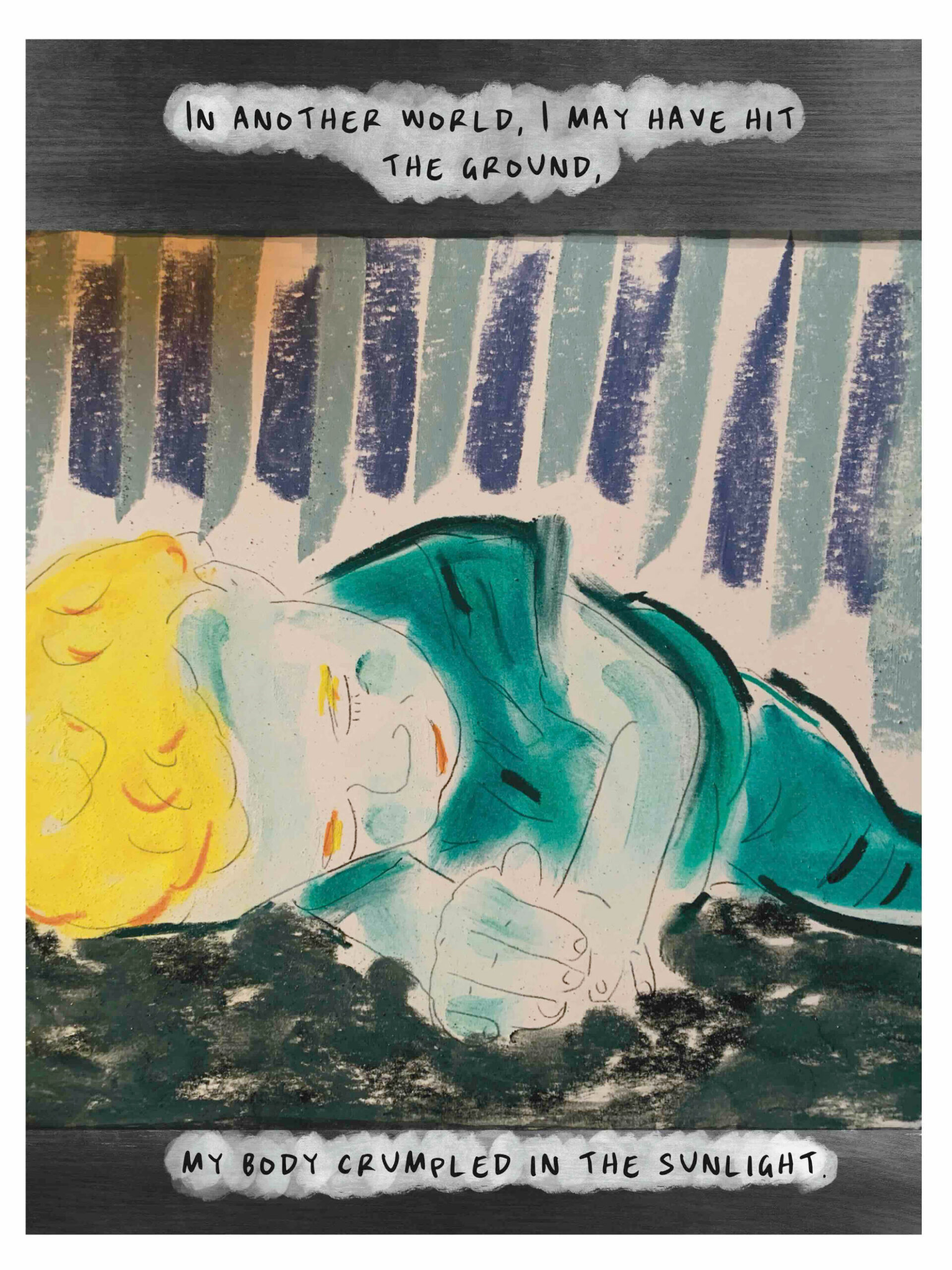
I proposed in a diner booth. You laughed and made me cry. You loved me, but 25 was way too young to consider such a thing. The math you laid out confused me. 

“Marriage is a half for half exchange, and I plan to live for one whole century, and I can’t spend three quarters of my life with only half of my life which means that most of my life won’t have most of me and then is it even a full century?”

“Don’t you want to be together?” I asked.

“Yes, but only if there’s the chance that we will be apart.”


Eventually, I’ll get better at taking chances. I’ll return home when my parents leave to begin their road trip retirement. Only a few chickens have made it this far, and not the ones I grew up with. The backyard is free from fear now, and I can grow a garden. At first it is just sugar snaps, because I still have hope you might come back. Actually, at first they are just seeds. When I cover them with dirt, a feeling bubbles into my chest. Not behind my lungs, more beneath them. Akin to dread and hope, it will take some time for me to understand and name it. A powerful feeling: wonder.


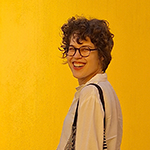
Eric Oman Callahan is a writer from Portland, OR who explores themes of family, grief, and love through fabulist short stories.


 BACK TO ISSUE
 BACK TO FOLIO

Danica Li

Funeralesque

The mourning was held at a deluxe parlor. The carpet so deep and new that any depression elicited by your step rebounded instantly underfoot. On an elevated dais below a two-story-tall projection of our savior, a clergy-member pronounced us remnants and witnesses. He was a small, discount thundercloud, his waving hands pudging over his tight-buttoned cuffs, his chest puffing and charging him three feet forward, then a leap back. Still, beneath him, faces glistened, overt with feeling. The things he said affected them like a wind tormenting a field of wheat. I’d seen videos of such fields. Never in person as they were not of this world. A man a few seats down from me gripped the back of a chair with both hands to keep upright. He was mouthing along to the minister. His wife next to him, dissolved in grief. I wondered who they were, what complex of relations and events bound them to the deceased. 

I spotted Loren, mostly via his hair—he had completely changed it, styled and combed it quiet, so that it offset his posture of sorrowing. His face was different too. So different I hardly recognized him. But his hair was the same color, and as I scrutinized him a lick escaped the orderliness of his facade and touched the exact midpoint between his brows, indicating to me. 

Hi, I called, sotto voce, when he passed my row on the way back to the reception area. But the man flicked a puzzled look at me and continued on, not breaking stride, like he didn’t know me. 

Maybe I was wrong, and he didn’t. 

At the front of the hall a wail went up, shot like a flare. If I looked up into the cloud of emotion above us that had amassed from this last hour of ceremony it would be spreading like a red and diffuse light. Raining flecks of her acid distress on my upturned cheeks. It was always a woman. 

The man, Loren or not-Loren, came back. The lick of hair was pressed back into place. He took his place in the front row. He had gotten there before me, so I had placed myself two rows behind. Not wanting to complicate his fiction with the intrusion of my known face. I stared at his back. For a moment, his profile was visible as he looked behind himself. His eyes scanned the congregation. He was searching for someone. Someone he knew who knew the absence at the center of this event, who could draw him deeper into it. But had Loren ever sported a beauty mark just above his right cheekbone? Was he capable of smiling as painfully as that? 

The woman was the deceased’s mother. I could’ve guessed. She was speaking. The savior rippled above us, disturbed by a psychic transmission from the netherworld or a frisson in the equipment. The mother’s back was to it, so she wasn’t aware. As she spoke, her whole body sagged, clinging, against the casket. Her voice was composed—it hardly shook—but her body betrayed her. 

Ma would’ve hated to go like this. She would’ve squalled and kicked and berated us for even bringing up the idea. She never wanted anything to do with these public displays, the wreaths of plenty overhanging the slender box, the dead housed with all of their belongings. Better to go quietly. Just a few loved ones to tend to you. A plain stone sunk quietly into the pond. 

After the mother, a procession of four or five people followed. They each bowed to the casket. Then spoke. But their words pinged off my consciousness like grains of sand. In trying not to think of Ma, I was thinking of her. It was a relief when they finally called me, too. 

I worked my way over people’s laps on the way to the aisle. My speech was folded in a sweaty half-page clutched in my hand. I approached the man. He had moved into the seat right next to the aisle. In the moment of passing he looked up at me and I down at him. His expression was stripped by sorrow to its rudiments—slashes of eyes, mouth gripped so closely over its teeth it implied the entire outline of his skull. I knew I’d been wrong. 

I mounted the steps. Up close, the apparition of the saint was far more lifelike. She wore necklaces of thorns around her long throat. Her expression was beatific and upward-aimed. She shone white and solid as candle wax. My neck prickled. I neared the casket. For a moment, because of how the others had bowed, had wept, had placed their bodies on that box, I expected to see the deceased’s material figure, his reupholstered and painted face with the lips sewn shut over an unquiet tongue. But the casket was empty like they told me it’d be. 

There were many events like these. For people buried in blizzards, or swept away by hurricane winds. The elements were ruthless. But ice storms and winds were actually the merciful encounters. Better to be disappeared than savaged beyond recognition by fire, or have your face cooked underwater to the softness of stewed plums and picked off by fish. 

I put my head to the casket’s polished edge. Ma. Are you there? Hearing nothing, I rose and moved to the lectern. The bright lights burned my retinas like suns. My fingers jerky, ungreased, I unfolded my page of notes. I tried not to read from them. Funny how easily in Los Angeles I flew off-script, improvising wildly, never keeping to the exact letter of what the writers wanted me to say. Untethered by reality, I was freed to invent. But that was another person, another place. Today my eyes kept returning to my page. I was trying to describe how important this person had been to me. Her absence a crater miles wide in which nothing would grow. I was trying to impress on everyone out there how important a person, any person, is. How vital, so that when they ended, reality itself underwent a transformation, became thin and membranal, and it felt as if you could pass through walls and other people, clean and transparent as wind. Did you know, a producer of documentaries once told me, that we and everything around us are made up mostly of empty space? Emptiness was necessary to the construction of us and of the world. Long, tense spans between atoms, that swayed invisibly like bridges. But I didn’t know the words. How to say this. I hoped they mistook my confusion for grief, so convincing that I strangled and hiccupped. 

*

I blinked and found myself marooned in a crowded, chopstick-clattering restaurant. It took me a moment to recognize the clouded glass windows with their peeling enamel of menus and specials, and the language of the conversation that rose and dipped around me, punctuated by bursts of laughter. Cantonese, the language Ma spoke, which Lee and I had inherited from her only in bits and phrases. 

I remembered that prior to my arrival I had been walking aimlessly, looping the blocks, trying to shake off the day. Rehearsal, submergence, and re-emergence made the hours slender as seconds. Before me was a bowl of congee chunky with pieces of thousand-year egg. I must have ordered it. I got up to find a spoon, obediently as if at the direction of my past self. 

Analisa, in shoulder-brushing gold hoop earrings and black tights that cut off mid-calf, was mopping the floor behind the register, a phone tucked into the crook of her chin and shoulder. Her back was to me. It gave me a jolt. I didn’t want her to see me like this. Confused, intermittent—reconstituting myself. But before I could duck away, she pivoted mid-swab and saw me. The corner of her mouth quirked up and she gave a little wave. I smiled, but the attempt gripped my face in an odd way. I plucked a spoon from the bouquet at the counter and escaped back to my table. 

No sooner had I reseated myself than the door opened in a tingle of bells. A band of teenaged boys tumbled in. They looked so young it hurt my eyes. Like boisterous puppy dogs they piled in at the table next to mine. They ordered, in a cascade of interruptions, from a teenaged girl worker wearing a t-shirt emblazoned with a mouthy slogan, who rolled her eyes at their pleas and cracks. 

I noticed one of the boys was quiet. He didn’t joke with the girl but made his order politely, his face red as a beefy tomato, and though I could see nothing odd about this his friends all went absolutely silent, a silence loud with repressed and filthy commentary. The girl didn’t look at him, but it seemed her sarcasm softened, and she smiled down at her pad as she jotted his order. 

After the girl server left, the boys’ attention veered. Two of them excused themselves for the restroom. One of the boys drummed on his overturned plastic bowl with two plastic spoons while ricocheting rhymes back and forth with his friend. Another three were having a contest with the jarred marinaded slices of chilis peppers that sat table-side, taking turns sucking as many spicy pepper seeds up their nostrils as they could muster. The last boy was sitting in the middle of all this, unspeaking, his face still red but a little less so, and I didn’t understand that it was happiness, pure happiness, that made him quiet, until the lights flickered, off, on, off again, and everyone looked up. For a moment I was afraid it was an outage, one of those abrupt unannounced black-outs that cut air to patients on breathing machines in the hospital and marooned us in a darkness that was outside of society. But then a wavering light was moving towards us in the dark restaurant, and as it approached I saw it was the two boys who had gone restroom-ward, ushering with them the girl worker, who was holding a big sheet cake on a tray, looking a little embarrassed, but also, delighted. The cake was made, I knew, from one of those cheap boxed mixes, but still, it was an impressive cake, topped with frosting and sprinkles and stuck higgledy-piggledy with colorful candles. They, that is, the delivery procession, came to a stop at the table, and the heckling and hooting boys quieted. The red-faced boy looked up at the girl he liked with touching solemnity and his face split into a smile. When he cut the cake, everyone started, badly and in mismatched cacophonous keys, to sing. 

In the outages, the worst hit were the hospitals, the morgues, and the ice cream shops. Why did I think this, as I sat in the dark, listening to the celebration at the table right next to mine? 

When the lights came back, the boys were eating their slices of cake with unguarded relish. The girl waitress and the red-faced boy were talking, haltingly, in undertones. She was shoving loose strands of hair behind her ears and he was looking at her then back at his hands then back at her again. I envied them their blundering earnestness. 

And here was Analisa, approaching, wiping her sweat-shiny forehead with her forearm. The boys perked up under the weary daylight of her smile.  

Steven, she said, waving her hands like a magician gathering her birds. You want a picture? I know your ma will. C’mon, sit together, I’ll take one.  

She took one photo, then two more, of the girl waitress leaned in grinning, the boys pulling faces. But then they wanted a picture that included her too. 

Analisa said, Hold on. And she cocked her head and said, Hey, V., can you help? She held out her phone. The table of boys looked at me for the first time, I think for the first time realizing I was there. For a moment I was confused, too, and uncertain if I was. What was this world that was right beyond the border of mine, rife with laughter, impervious to the deletions and blurrings of death? It seemed impossible that the two could occupy the same plane. In fact, when I took Analisa’s phone—humidly warm from her grip, decorated with small, cute stickers—and rose to position the picture, the photos I took were grainy and blue-hued, the smiles unnaturally bright as if transmitted from another dimension. 

*

At this one, everyone was strangely chatty, like we had just met each other at a conference hosted at a resort and were trying to make friends. How did you know the deceased? She was my coworker; my god-aunt; my friend; my eclectic, intermittent neighbor who watered the tomatoes with a mineral-rich brew made from her own aged urine. She was descended from Mexican emigres, Hokkien refugees, Scottish traders—a medley-line of itinerants and adventurers and wanderers. She had a face like something cut into stone, but when she embraced you, you felt as soft and comforted as if you could lay your head on her shoulder and drift to sleep. She always laughed at my bad jokes and made me feel like she meant it. She was tough. She was a field biologist. She once broke her arm in a jungle, strapped it in a splint and carried it on her for four days, and on the fifth discovered the last colony of an elusive species of frog, whose skin secreted the answer to the riddle of a particularly ravenous cancer. We always used to joke that in the dystopian, bombed-out future she alone would remain alive, tearing squirrel jerky with her teeth, sewing menstrual pads out of thread and wads of moss. How did she not make it? She was wily, implacable. She wrote a one-hundred-and-sixty-page dissertation living in a yurt in the high desert while high on tranquilizers. She climbed a mountain to take a condensation sample from a shy cloud. She could do anything. She was my wife. 

No one said: She was my mother. A small relief. I couldn’t have tolerated meeting another like me. Orphanages were difficult places, mirrors quaking at each other, provoking fists to splinter the sight of one’s own pain multiplying into infinity. 

How did you know her? I was asked. 

I said: A treatment I received when ill was developed from her long and persistent research into chromosomal antiquities. I am alive because of her. 

Wow. 

Yes. 

Did you ever meet her? When she was alive.  

No, I said. But I thought I would come meet her now.

And that was what it was like. The person a composite of anecdotes, of words attempting to conjure her anew. Each person here kept a piece of her. If I spoke to enough of them I could see her. I kept speaking, and listening. And out of the edges of my eyes, she came closer. I saw her flinty stare, her unmovable conviction: However ravaged the world, it remained worthy of being saved.

Who was this woman to me? Someone in whom a thought had begun, gained detail and clarity, surfaced into the world, acted through others, deployed analyses, mechanisms and productions, and, years later, caused the preservation of my life. Didn’t we all owe someone in this way? Every medicine invented and taken, every kindness performed and received, every intervention, every act of care, every life-giving touch, began first as a thought in the mind of another.  

I did not say she was my mother. Though I don’t know why, the thought played at the edge of my mind, like a child along a border of wire. 

In the middle of the service the wind picked up. At first I thought it was just a squall. It was not the season for anything more. But someone ran for the double doors and shoved a long bar down, barricading it. Another ushered attendees away from the windows, herding them into the aisles, where they stood, crowded together. The speaker stopped speaking. I remained in my seat, right next to the aisle, surrounded by the agitated attendees. In silence, through the same windows which we had been hurriedly conducted away from, we all watched the world outside. A muffled movie. The trees jacked and thrashed. Parked cars rocked on their wheels. A broken-winged umbrella chased itself down the street, followed by a dragging deck chair, which at the last minute lifted and rammed a window-front. The speed increased. Clouds of birds, trashed television monitors, shopping carts, runaway racks of discount clothing whipped through the streets, light as blown foam. 

Then a booming impact shook the roof. The people who held the pieces of my mother scattered. They raced for the doorways, where the structure might hold up. I didn’t move from my seat because, at first, I didn’t believe this was happening. I looked up and then away, wiping; tinging grit had drifted down into my eyes, shaken loose by the crash. But no hole appeared in the roof. Whatever had crashed was not intent on entrance. 

Nevertheless I rose, and—my self-preservation instincts now so sluggish I could hardly believe I had once run nine miles in a day to outwit a wildfire—moved slowly to the edges of the room. 

The walls rattled like panes of glass, then stilled. The wind canyon outside did too. The roof reverted to its solid state again. While a few of the attendees went out to investigate and report any damage to authorities, the rest of us remained standing, uncertain. 

Then someone spoke. It was the husband of my mother. Was it not important to persist? he said. The wind had stopped. The roof continued to stand. She would not have wanted us to discontinue the service. 

I looked up again. It was true. The roof was still. No grit drifted down to dot my forehead or catch in my lashes. 

The husband climbed the stage and faced us. His face was impassive. His voice, shaken at first, had gained a solidity and evenness that calmed me slightly. He said: We will tell stories of her. In this way she may remain alive for another day. 

I wondered what had fallen on the roof. A great oak stories tall. Pieces of another building. Perhaps the wind had picked up a car, carried it for miles, then dropped it on top of us as a forgetful child does a toy.  

Who would like to speak? the husband said, looking over us, the crowd.  

The people who carried the pieces of my mother murmured. A few of them slowly took their seats while others continued standing, looking shocked, or frightened, or confused. Still others gathered their things. It was dangerous, I heard them murmuring, it would be better to leave. We can arrange another commemoration, at a more convenient time. And more and more of them bent to retrieve their purses from the floor, their coats from the seats, and they shook hands and embraced as they headed for the exit, out into the world, where the wind had laid down quietly in the streets after exhausting its great emotion. They took the pieces of my mother they carried with them and they walked out and away. 

There were just ten or twelve of us now. I wanted to chase yelling after the ones who’d left, but instead I sat slowly in a chair. 

The others began speaking again. Softly, their voices rose. Once she survived three days by herself in the High Sierra in a snowstorm. Once she built me a small shed on the hill behind my house that I could sleep in with my children when the flood swamped the house, bursting out of drainpipes and overflowing the tub. She liked to collect seeds and specimens. She could grow a garden to feed a party from some dried pods. She taught the people she loved how to cut wood and carry water, how to set a splint and read how moss grows, and even more than that, she taught us how to think and how to feel, and how to protect how we thought and felt not only from the wildfires and hurricanes and torrential winds, but from all the savages, depredations and losses of living, so that we could continue on in our small and incremental ways. What did she teach you? Who was she to you? What did you learn from this person who was so important to us? 

They were looking at me. I was the last one to not have spoken. 

Who was she to me? She was my mother. She carried me for thirty-four weeks in her own body. I was formed from her blood and muscle. For years, she fed me and washed me, carried me on her back and taught me to speak. Whenever I fell, she helped me stand again. Whenever I lost my way, she helped me find a path back to it. She talked to me when no one else would. When I grew old enough to leave home, she watched me go into the rest of my life. When I looked back, she was always there. Until, one day, she wasn’t. 

As I faced the mourners of the deceased woman, my face was wet. They were complete strangers to me, I had never met a single one of them until today, but in grief, their expressions were just like mine. I said: She was my mother in the way that all of us are to each other. She saved my life.


Danica Li is an employment and civil rights lawyer based in the San Francisco Bay Area. Her writing has been published or is forthcoming in the Missouri Review, the Iowa Review, December Magazine, Southeast Review, Cream City Review, Lit Pub, and the California Law Review, has appeared in Best American Short Stories 2023, and has been twice nominated for the Pushcart Prize. The first writing prize she ever won was for a short story about unicorns in the fourth grade. Find her at danicaxli.com.


 BACK TO ISSUE
 BACK TO FOLIO

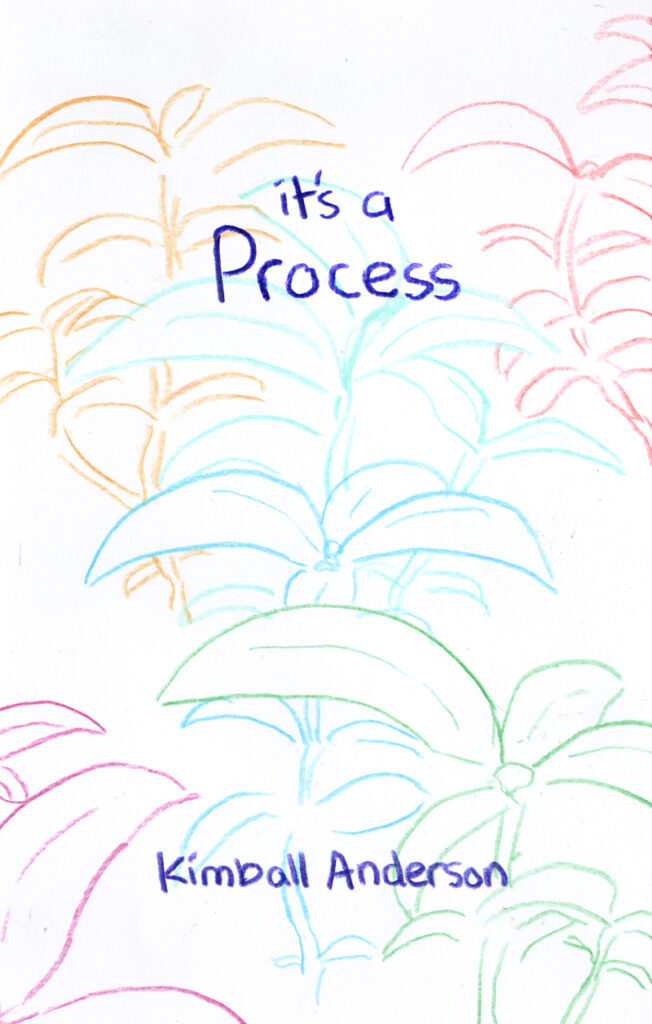
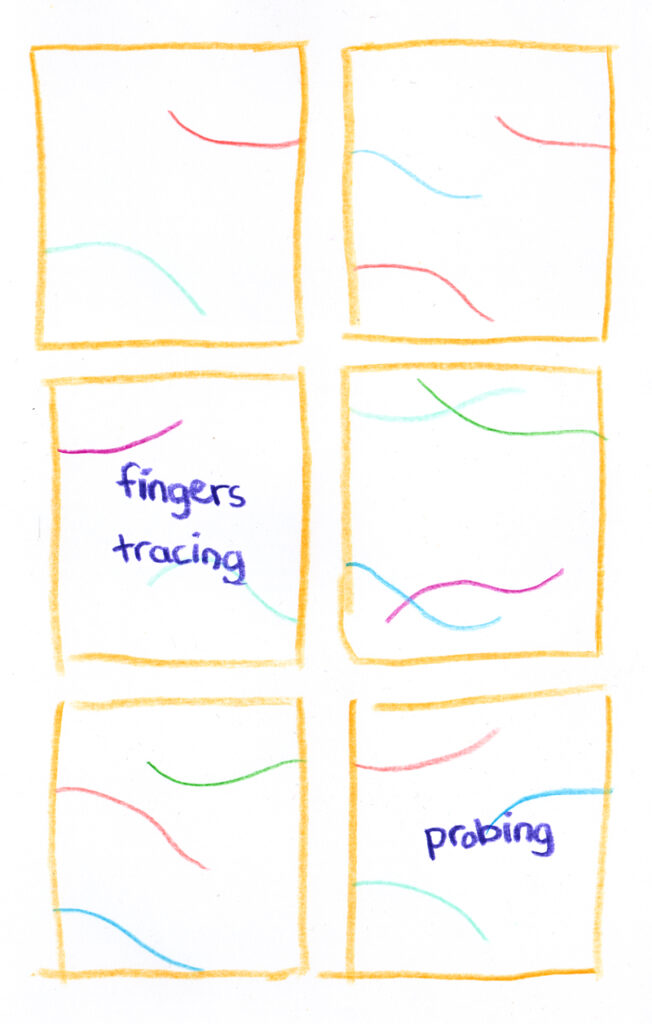
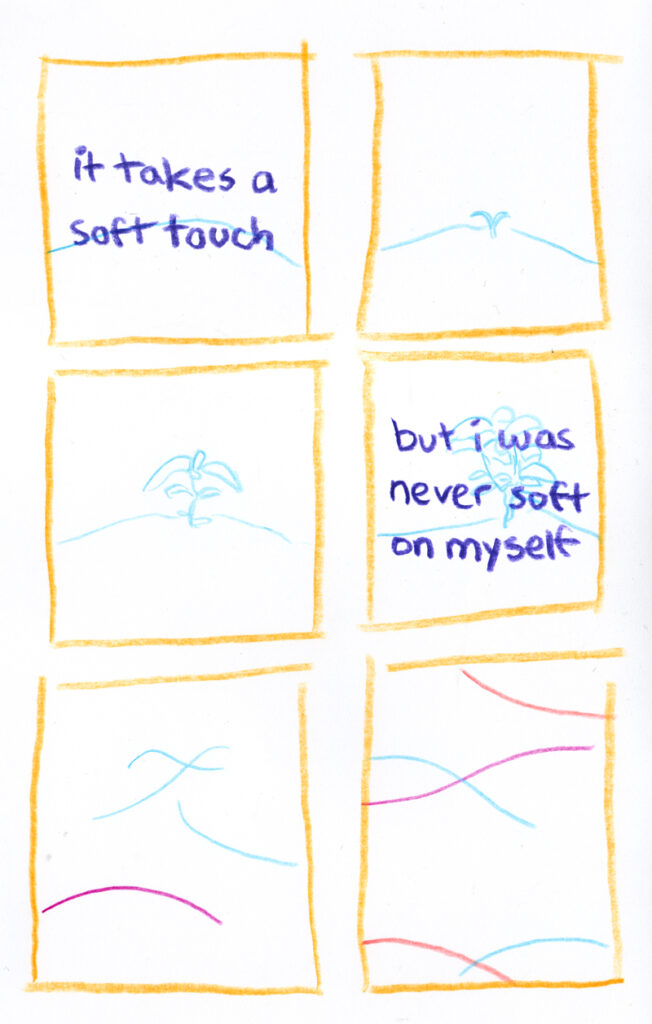
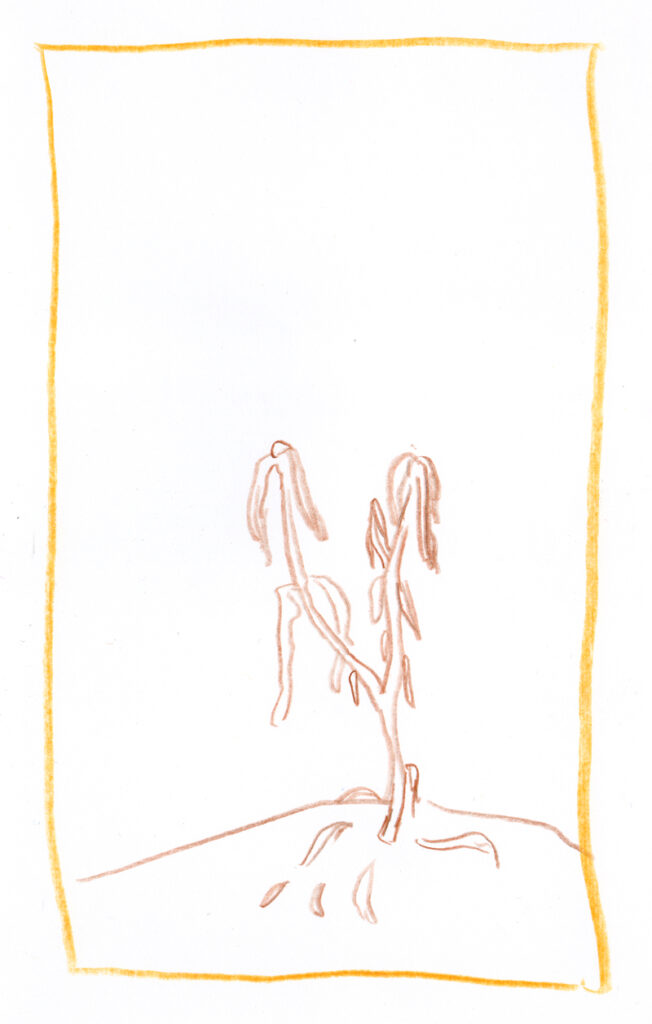
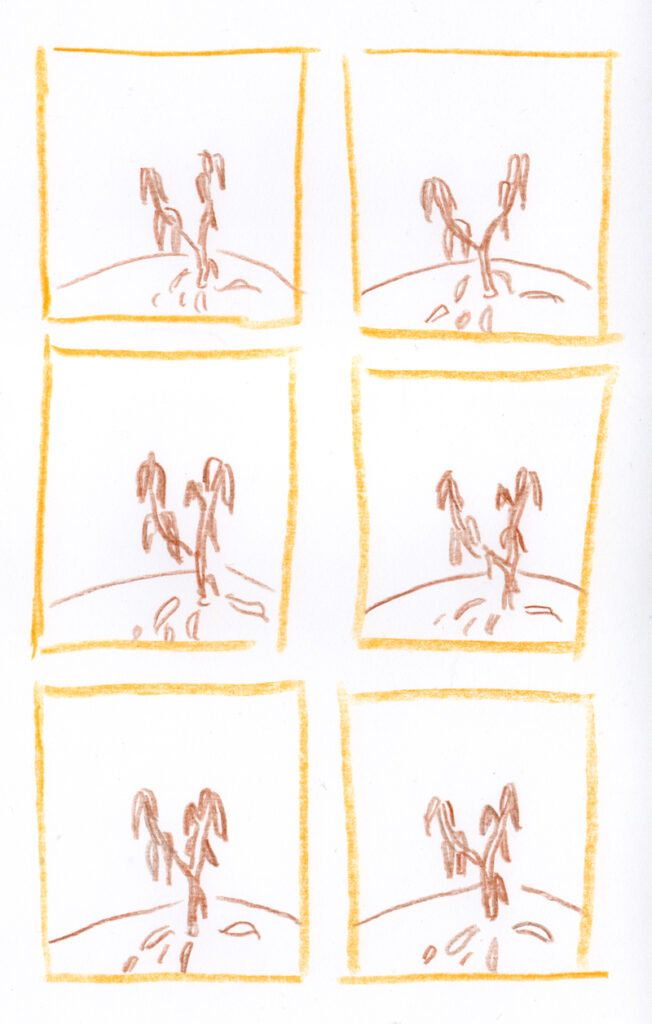
Kimball Anderson

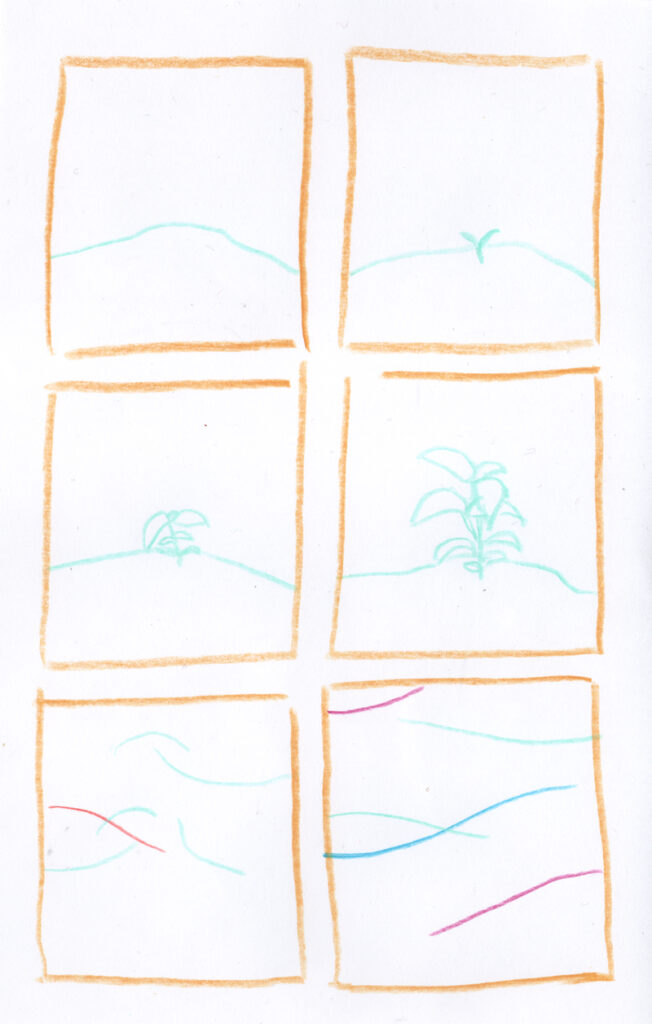
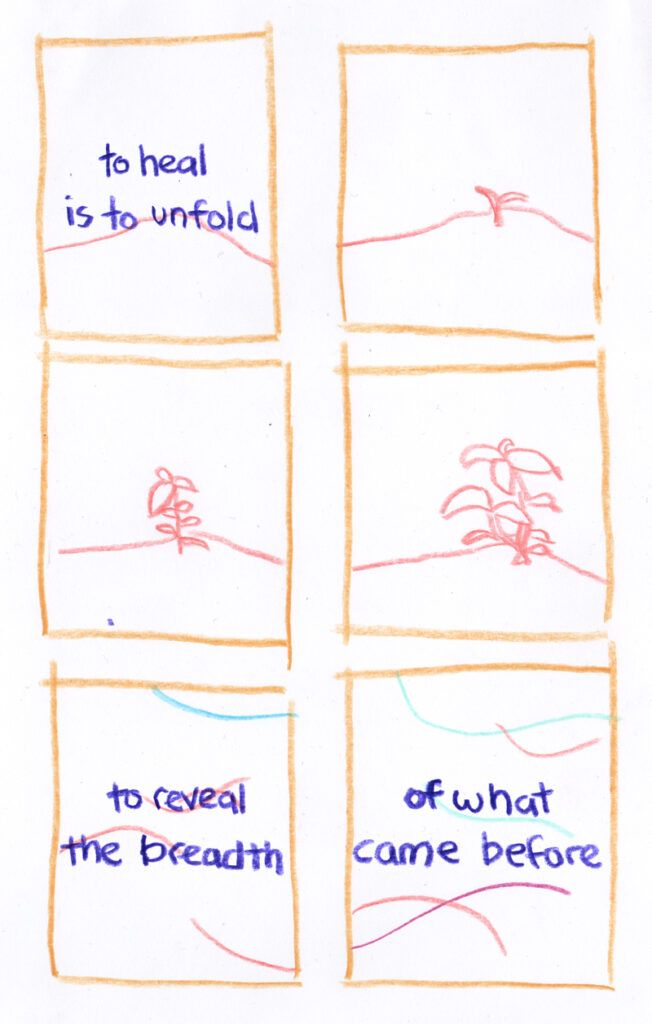
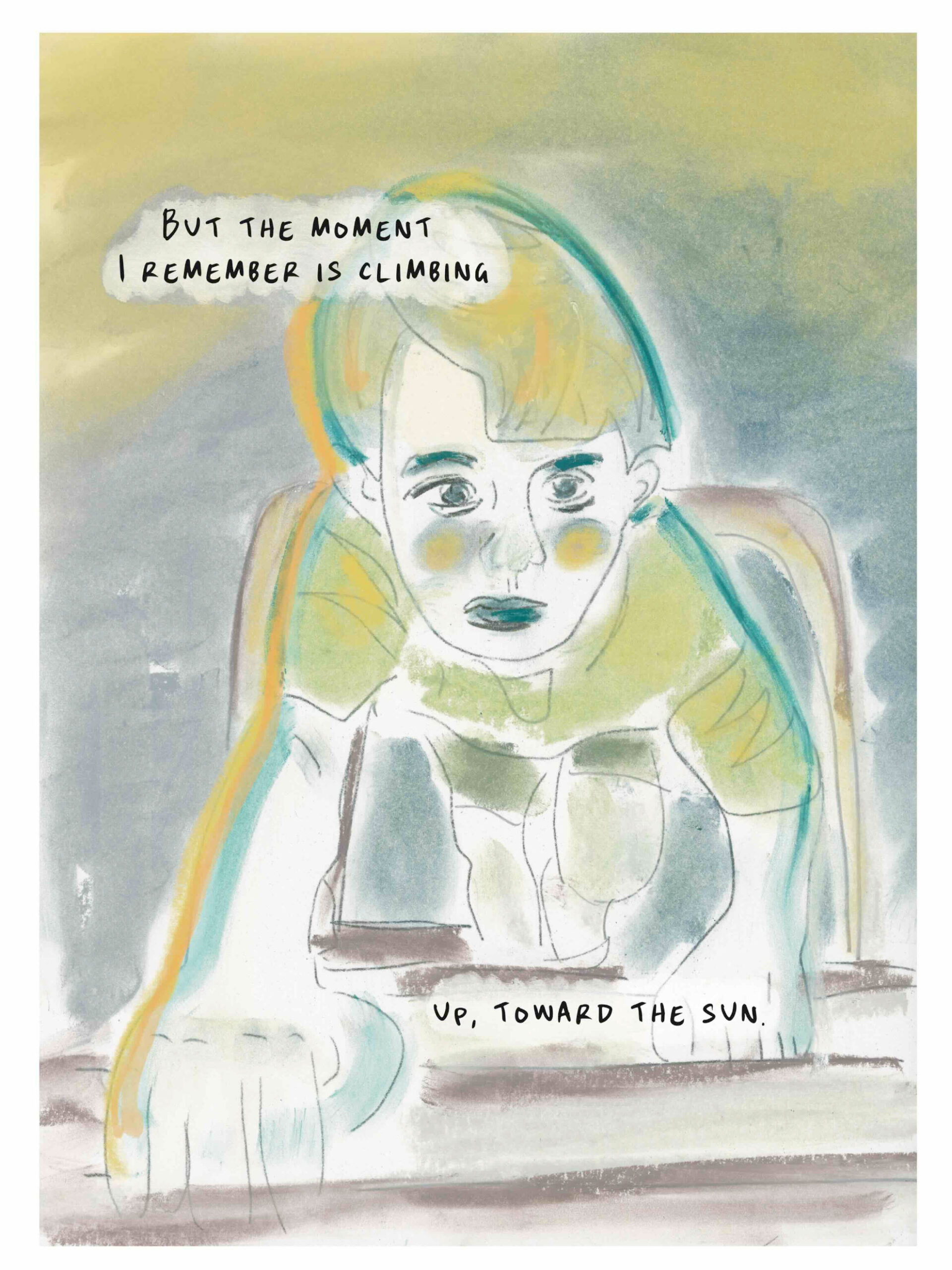
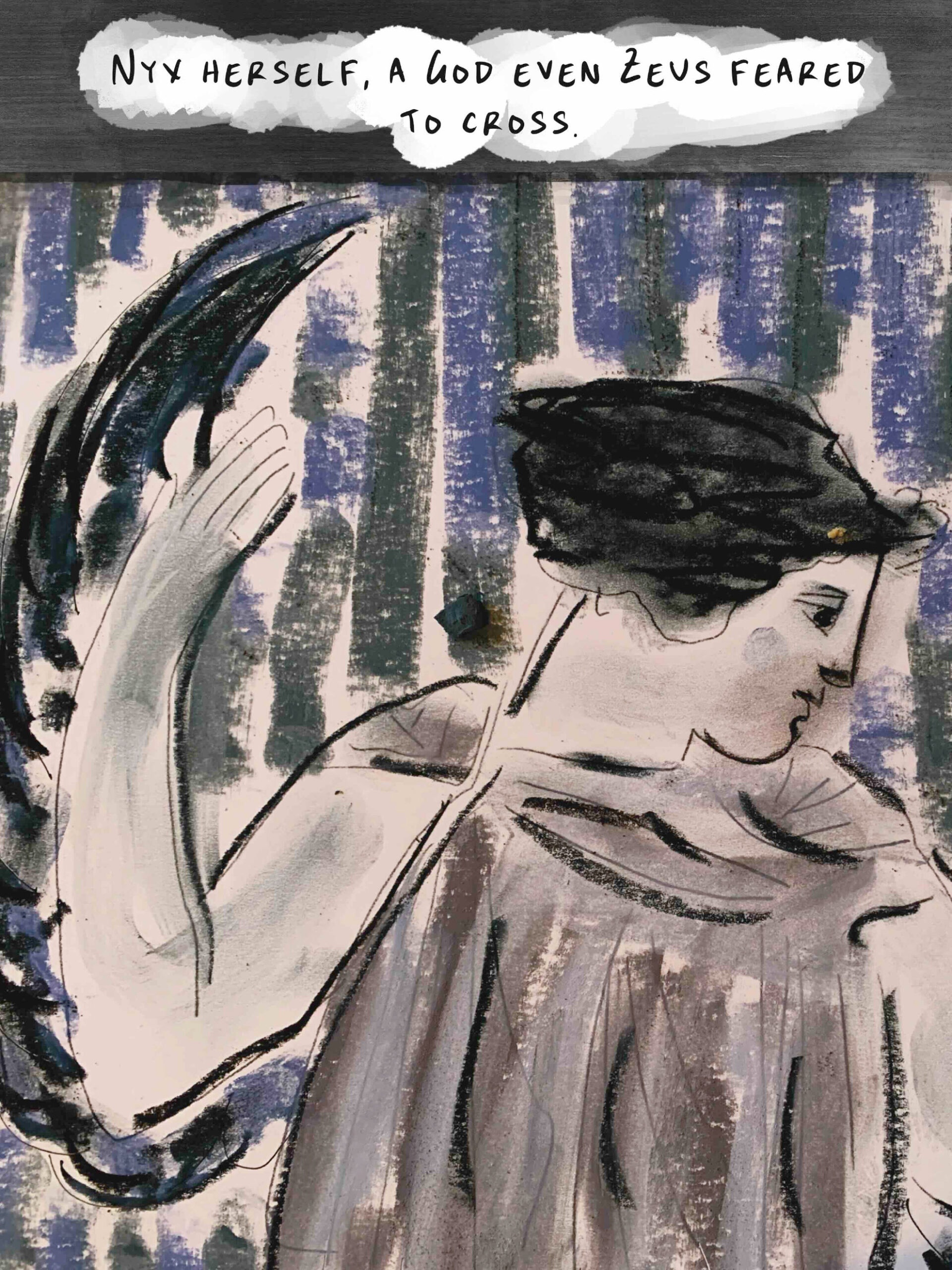
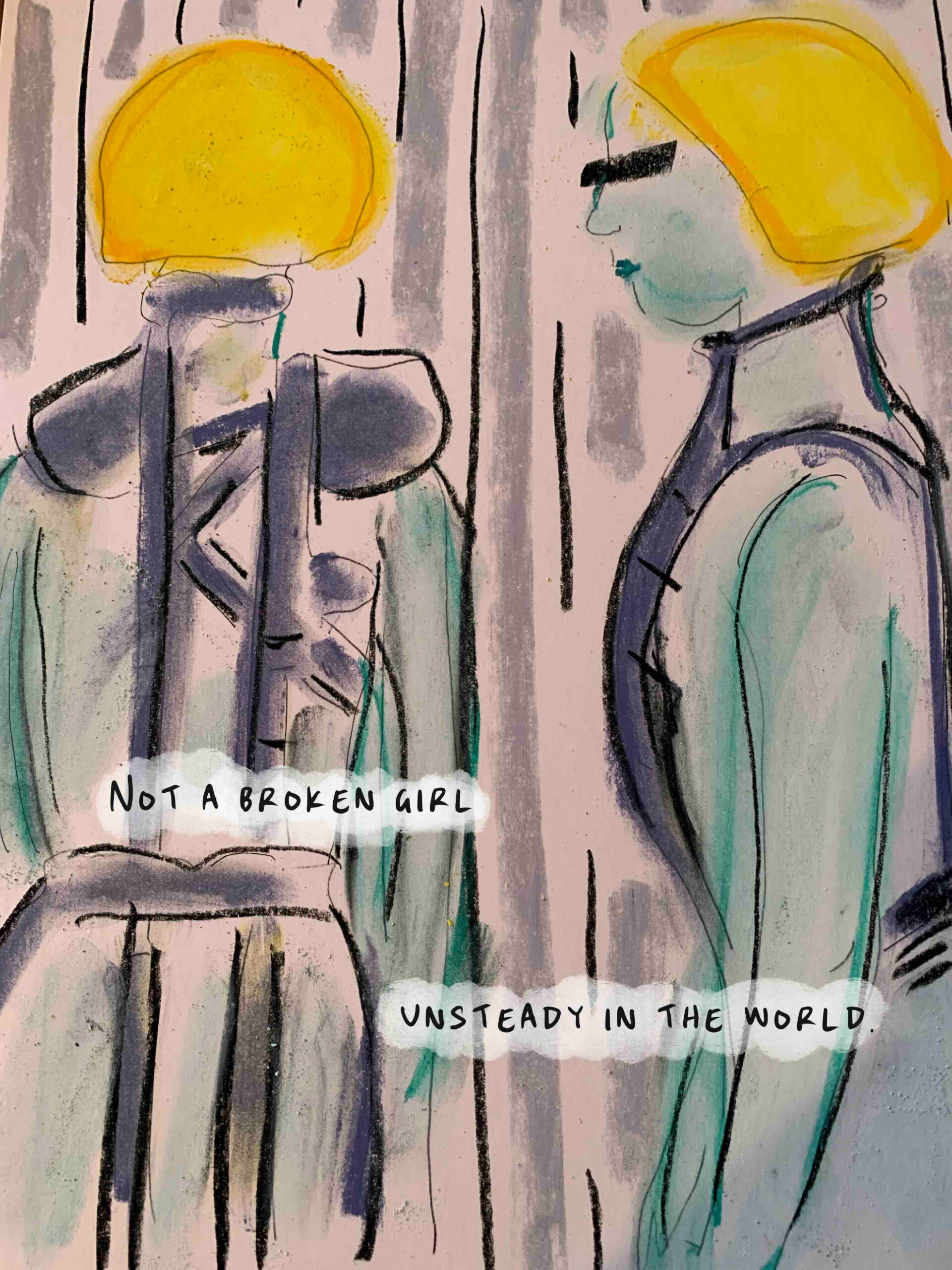
It’s a Process


Kimball Anderson is a queer, disabled artist who does experimental and poetic comics. Their experience of chronic illness informs their interest in acknowledging the beauty of what would normally be considered “wasted time”, and in trying to honor unconventional lives.


 BACK TO ISSUE
 BACK TO FOLIO

Parisa Karami

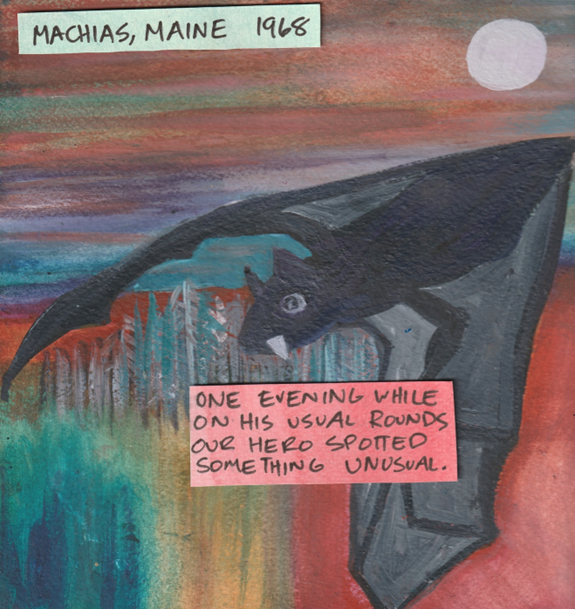
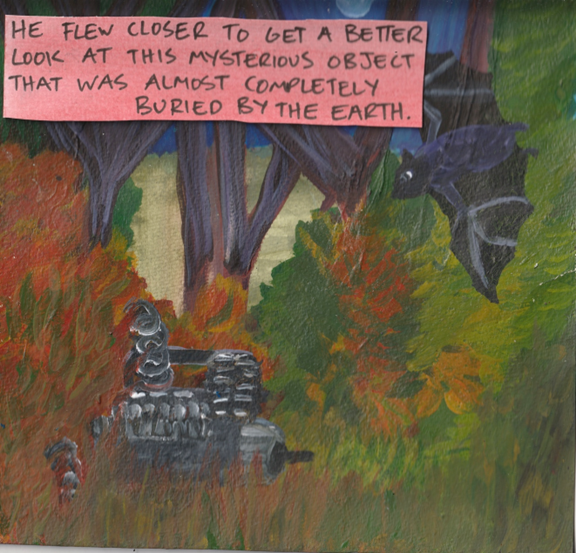
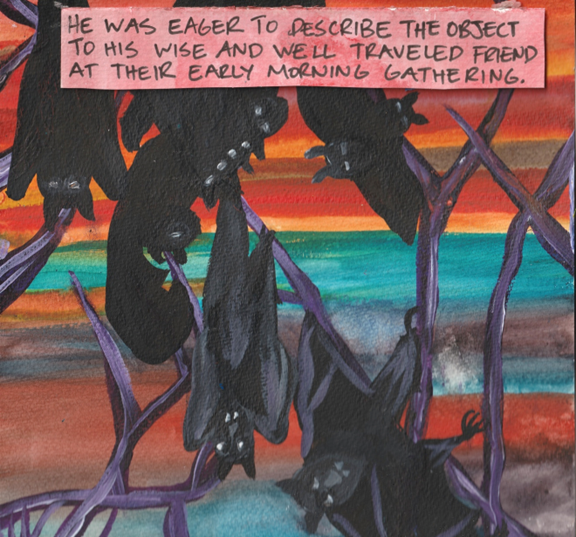
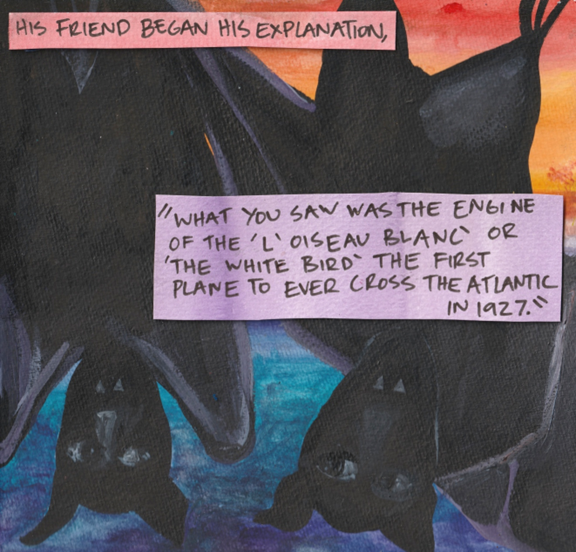
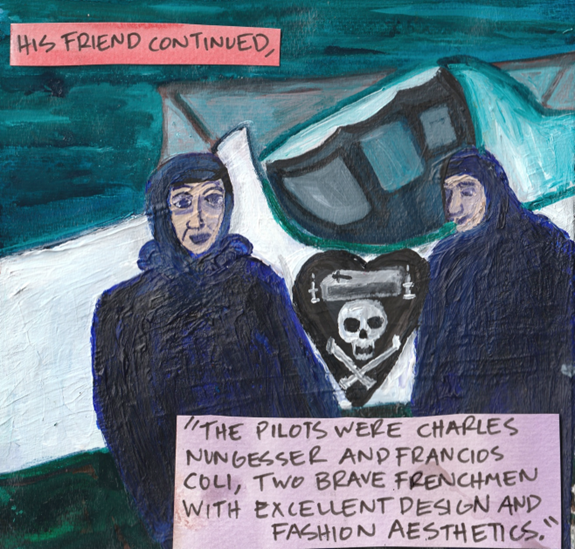
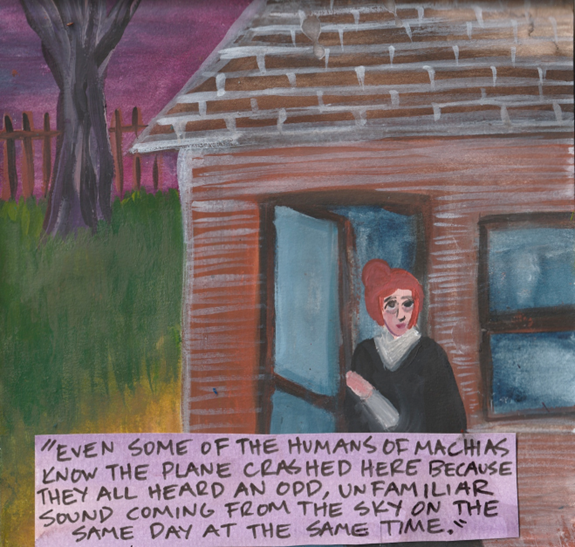
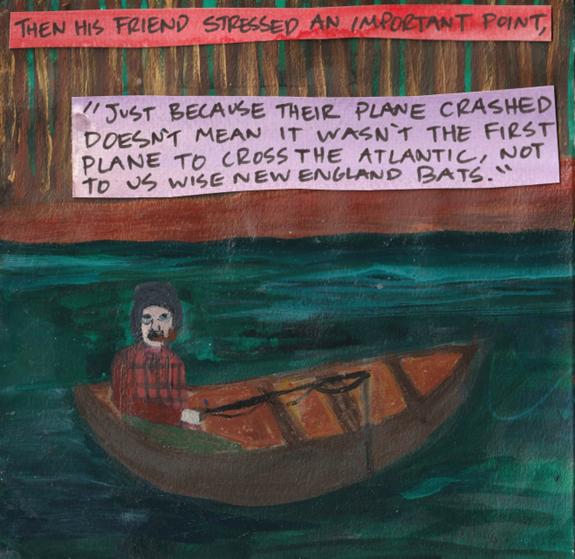
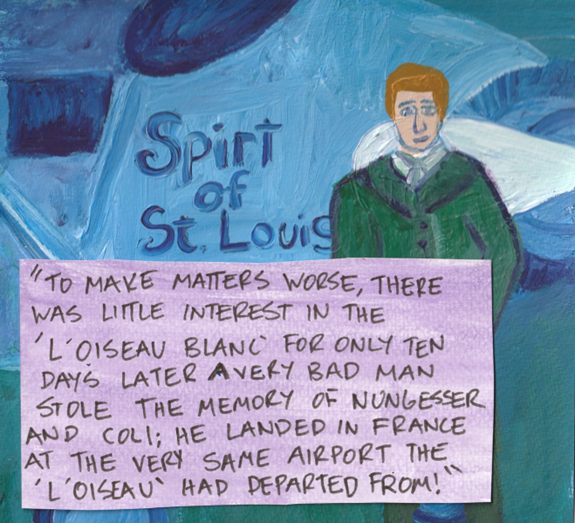
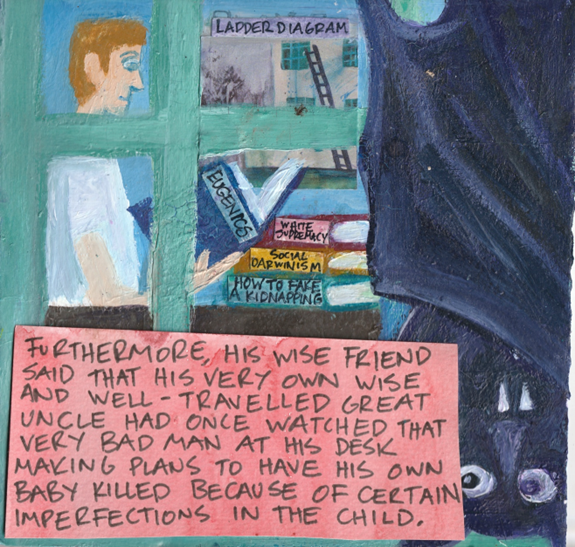
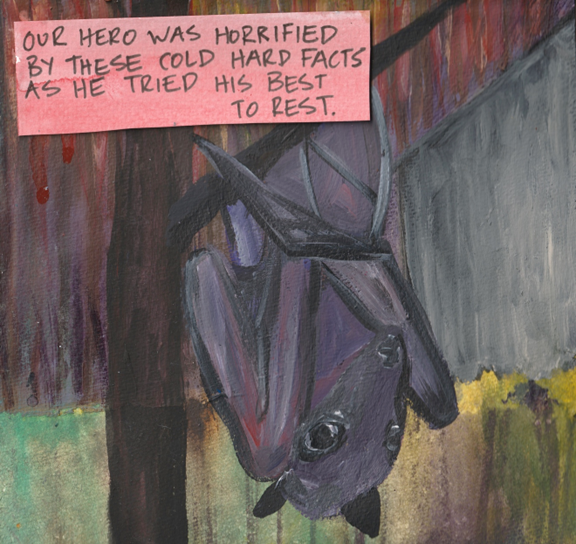
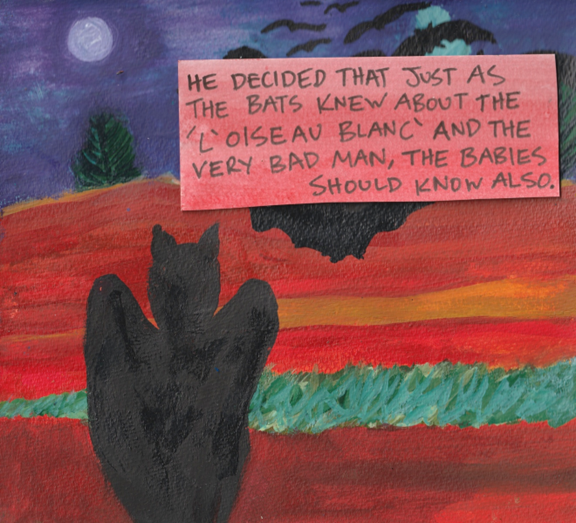
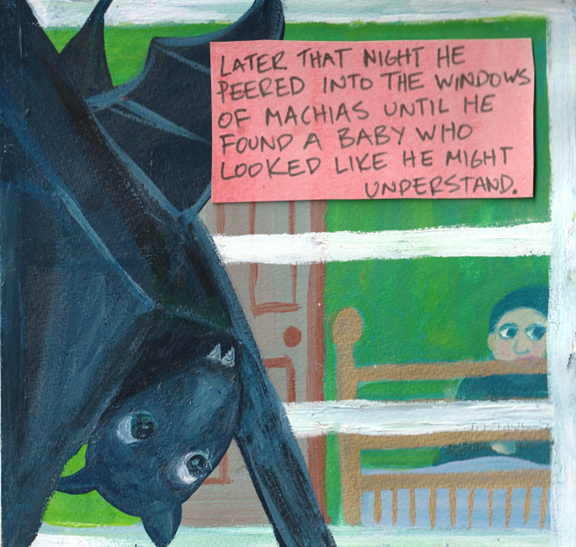
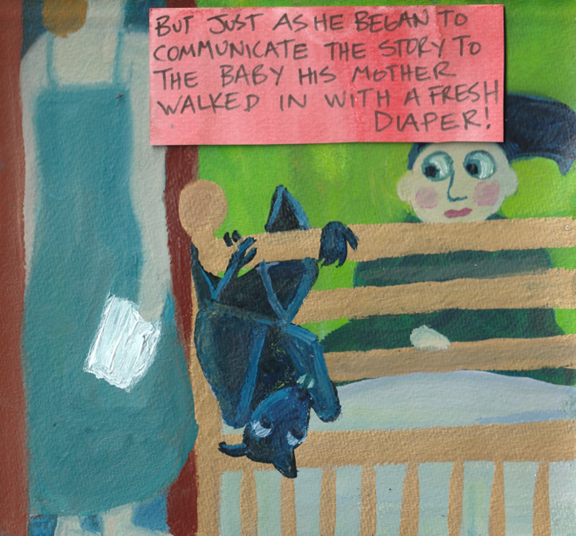
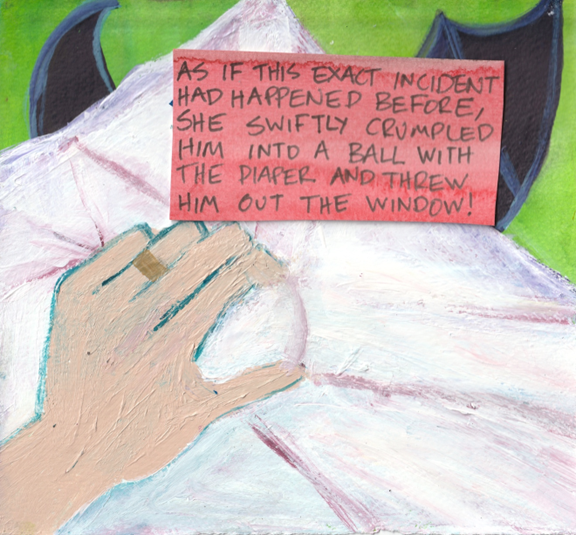
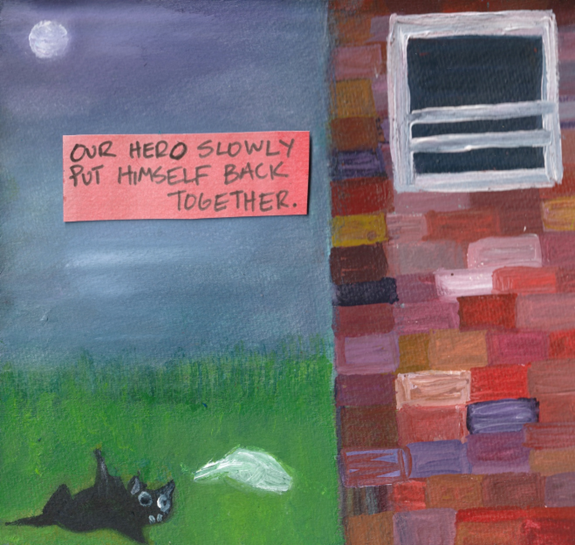
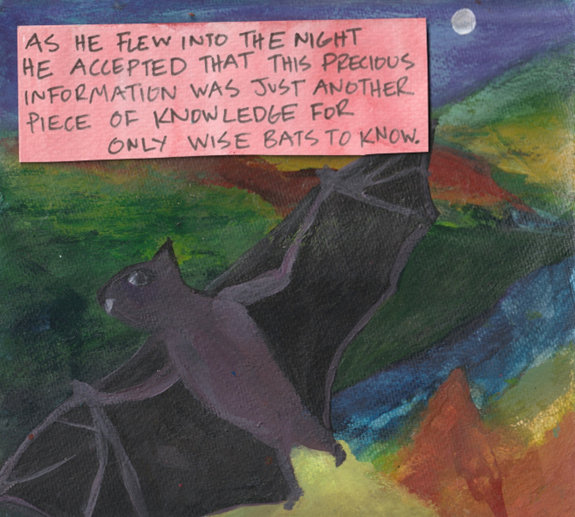
Wise Bats


Parisa Karami is an artist living in the Hudson Valley with her family. Recent works can be seen on media outlets such as Mc Sweeney’sNorthwest ReviewPleiadesAquiferThe BelladonnaNew Orleans ReviewDrunk MonkeysMQR MixtapeThe Indianapolis Review and elsewhere. For more information you can visit parisakaramipaintings.com


 BACK TO ISSUE
 BACK TO FOLIO

Jesse Lee Kercheval

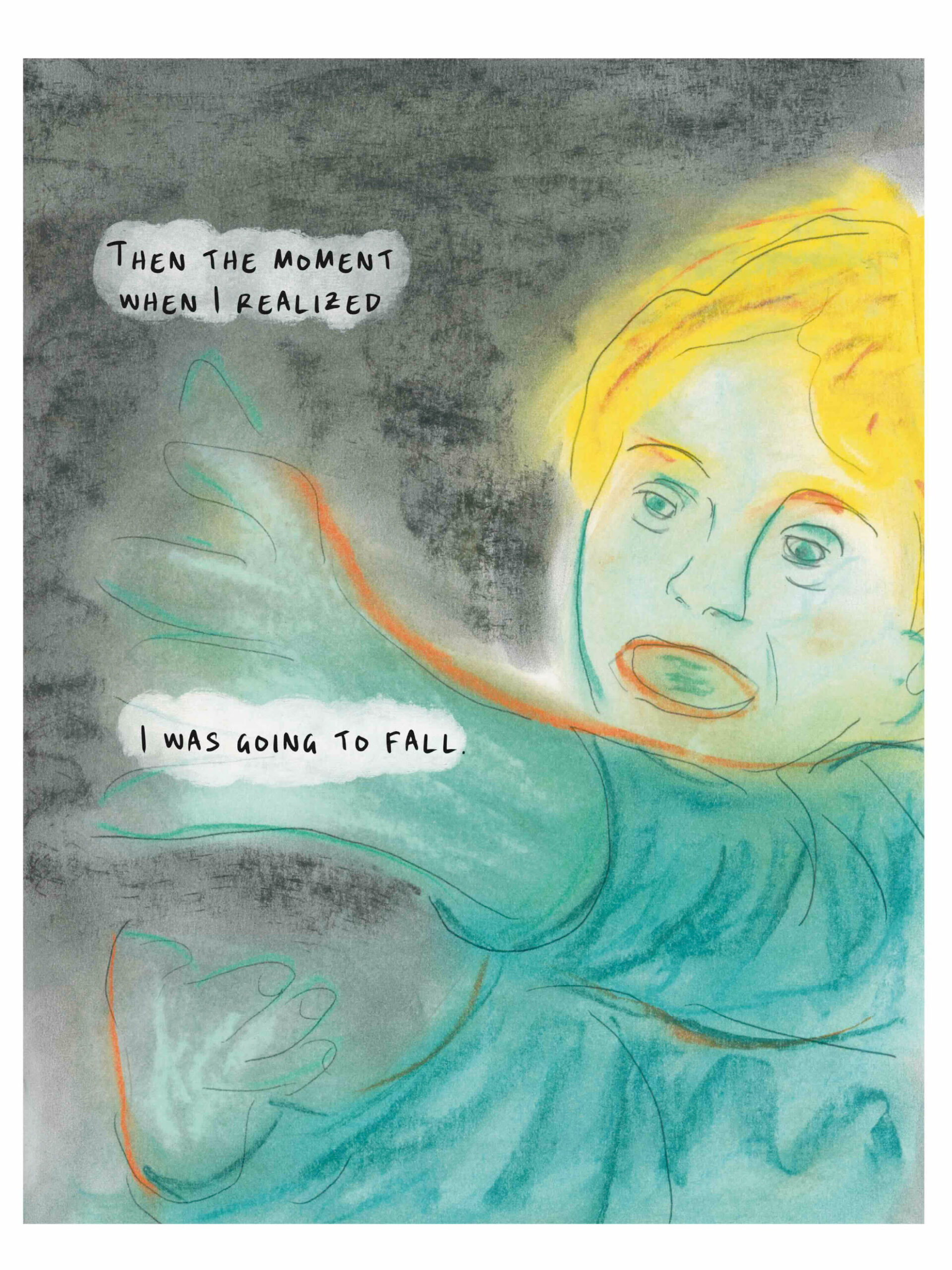
Flight


Jesse Lee Kercheval is a poet, writer, translator, and visual artist. Her graphic essays have won awards from New Letters and the New Ohio Review, and have appeared in Fourth Genre, the Los Angeles Review, Image, the Chicago Quarterly Review and elsewhere. She is also the author of the memoir, Space, winner of the Alex Award from the American Library Association, and the graphic memoir, French Girl (Fieldmouse Press, 2024) named by the Washington Post as one of the Best Graphic Novels of 2024.


 BACK TO ISSUE

 BACK TO FOLIO

Dorottya Faa

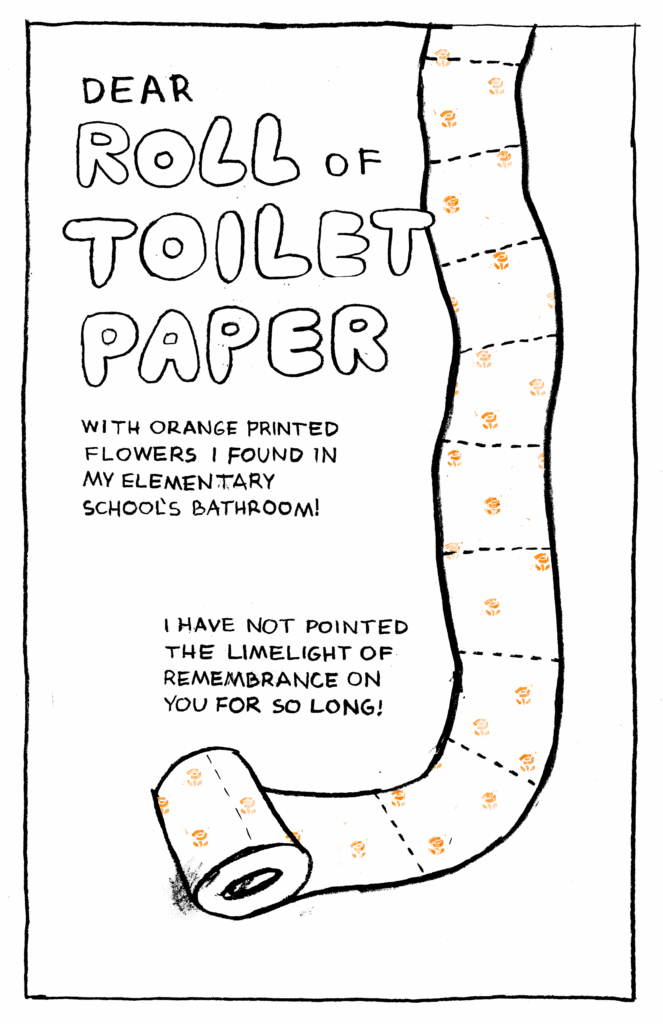
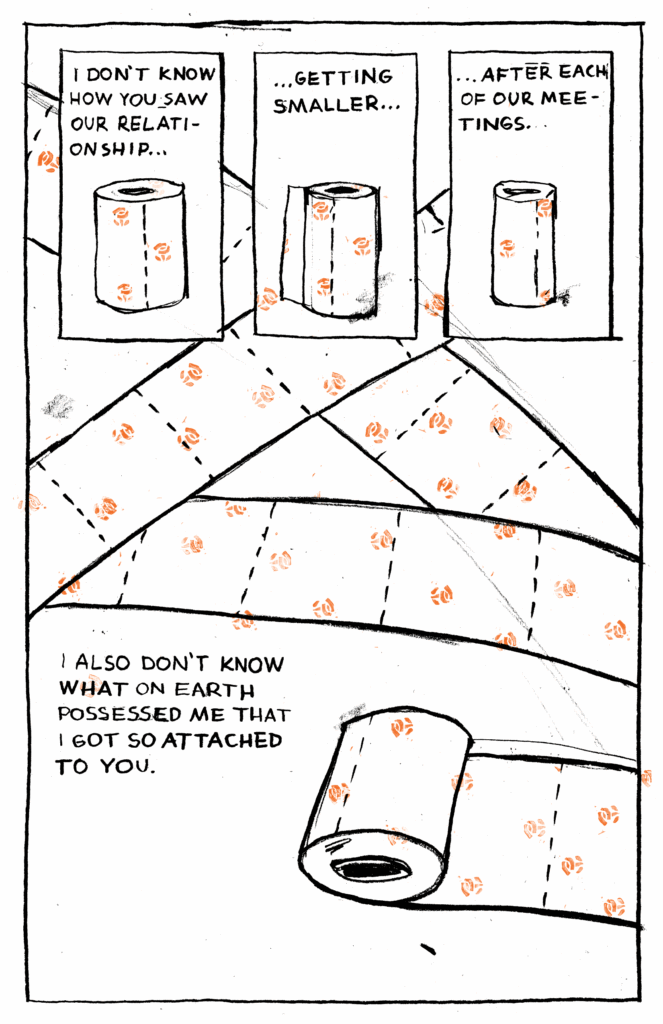
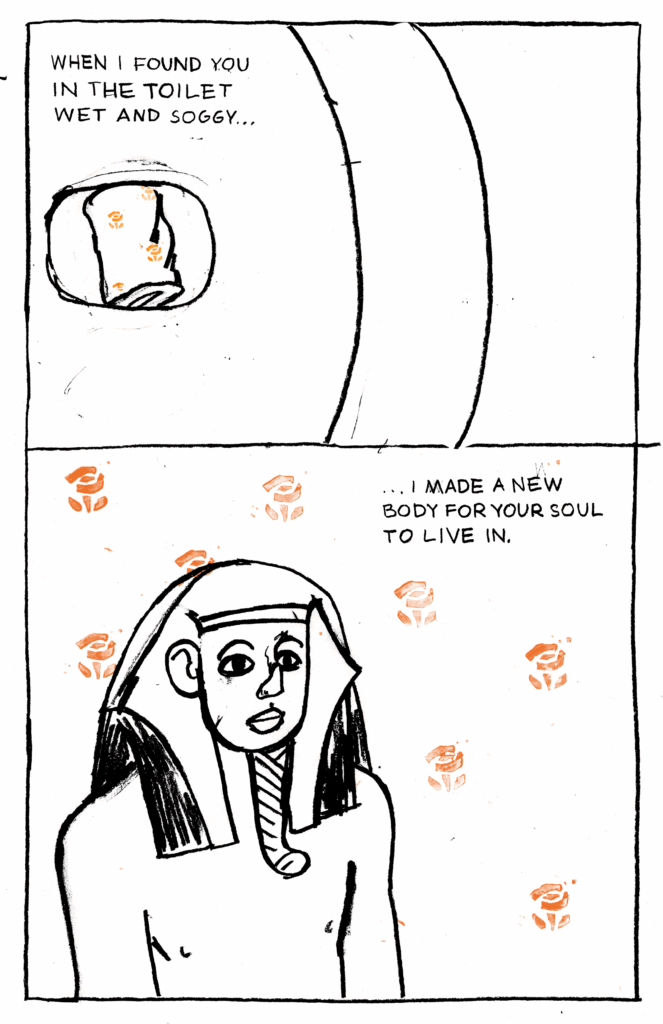
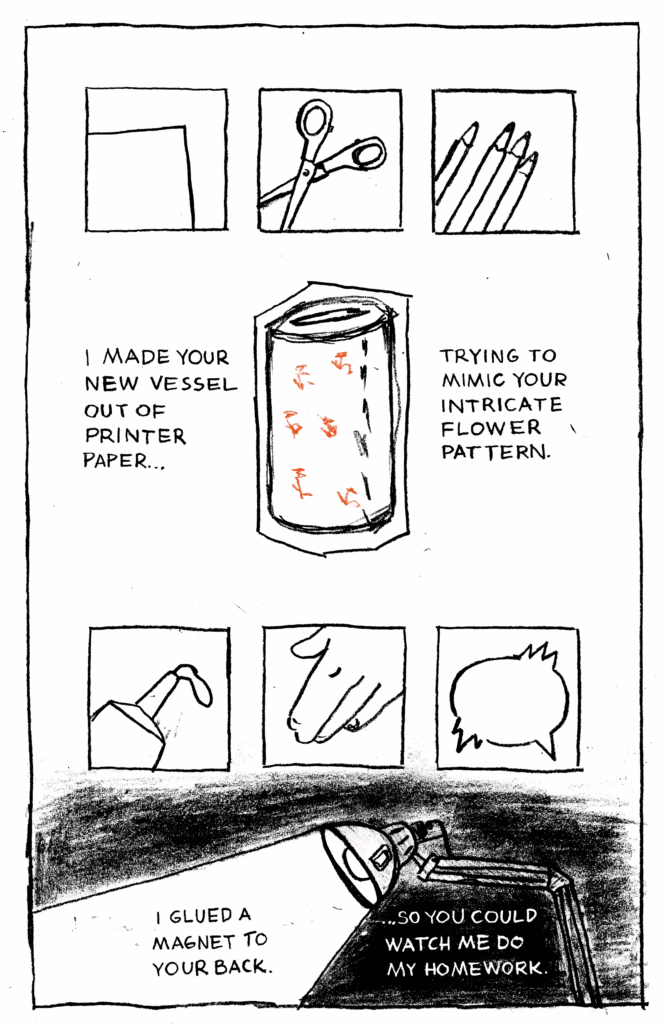
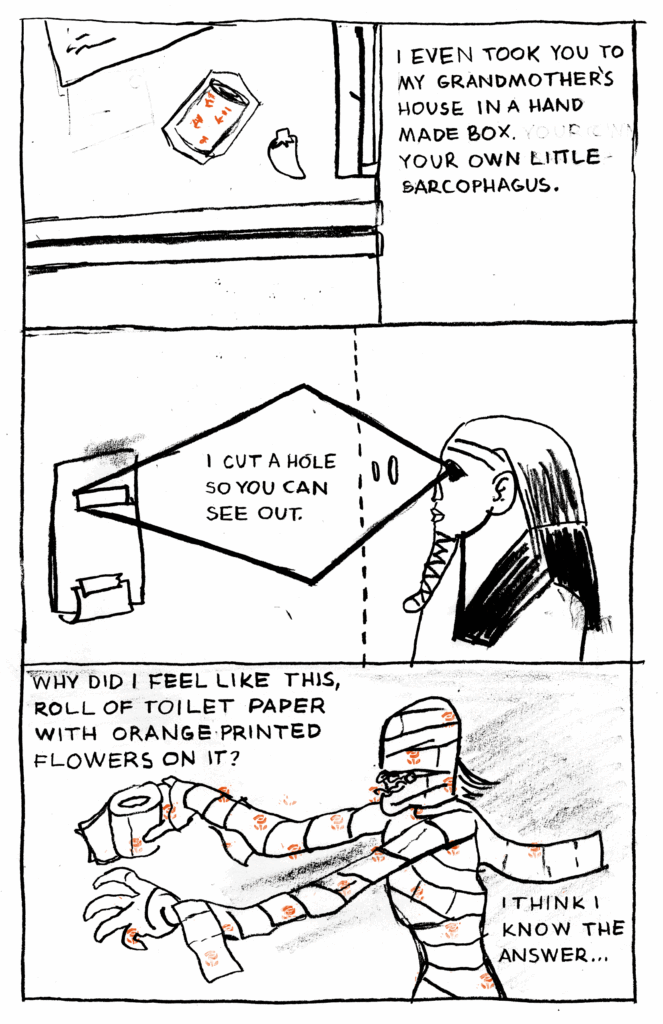
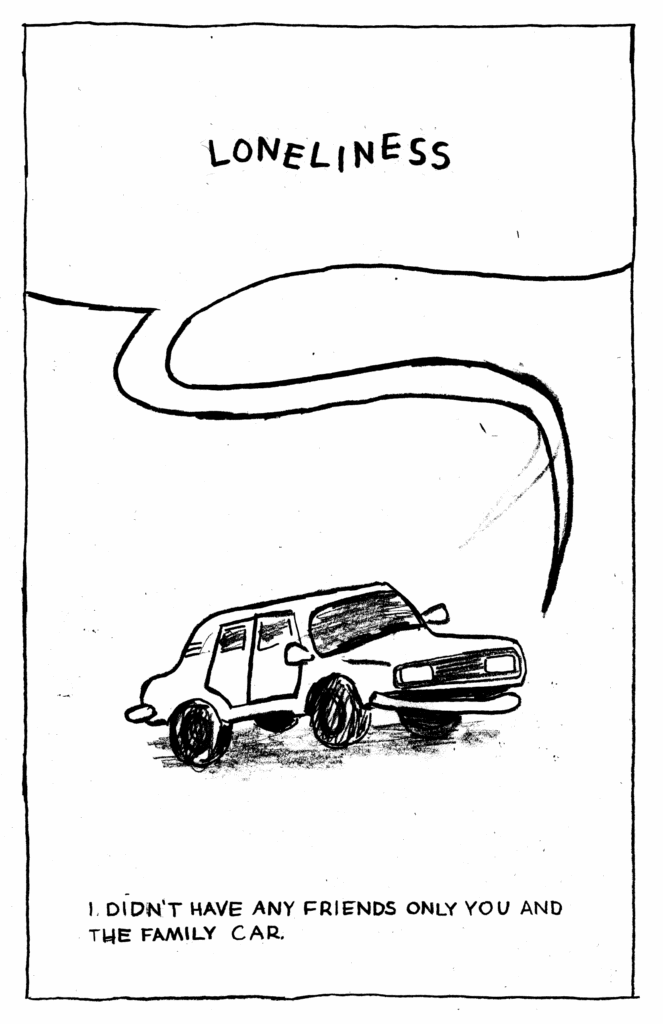
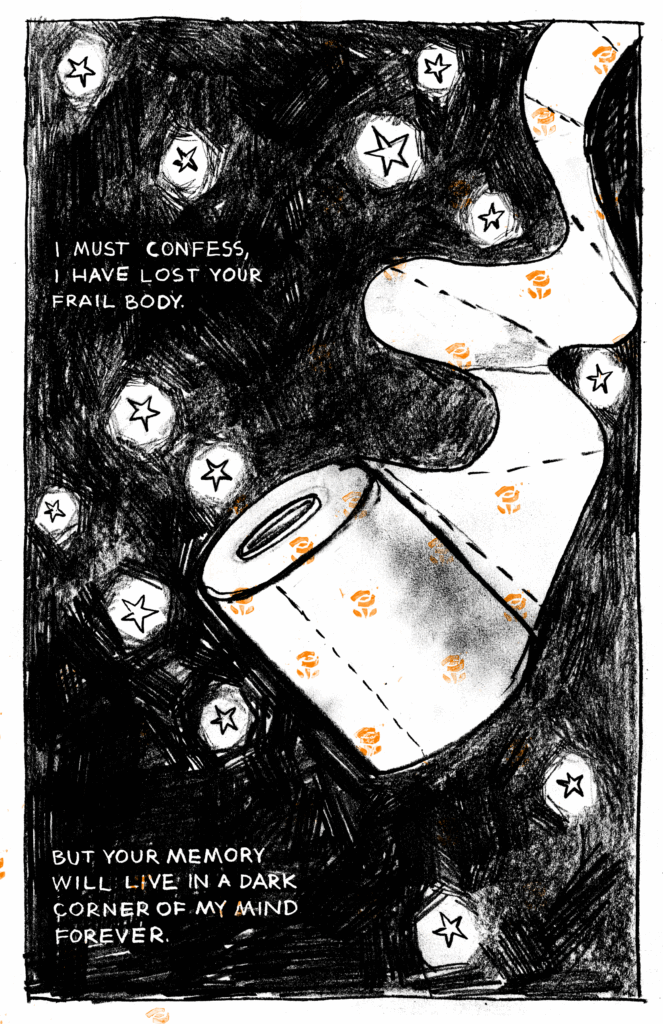
Dear Roll of Toilet Paper


sdr

Dorottya Faa draws comics about sex, death and satiric musings. She recently graduated form the sequential art program at Missouri State University, now she lives in Budapest, Hungary. You can see more of her works on her website, dorottyafaa.com.


 BACK TO ISSUE
 BACK TO FOLIO

Kamei

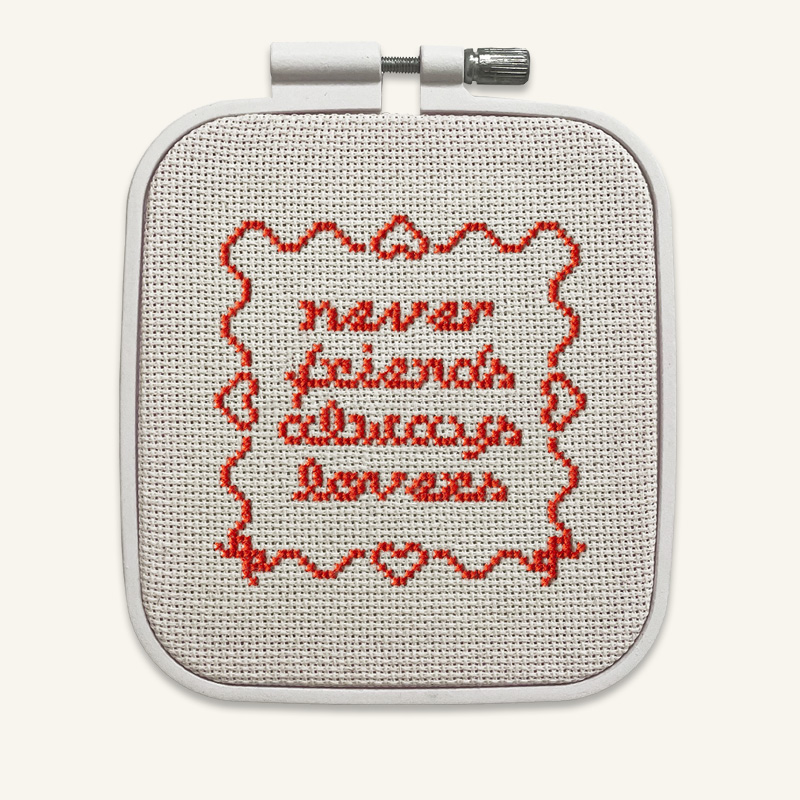
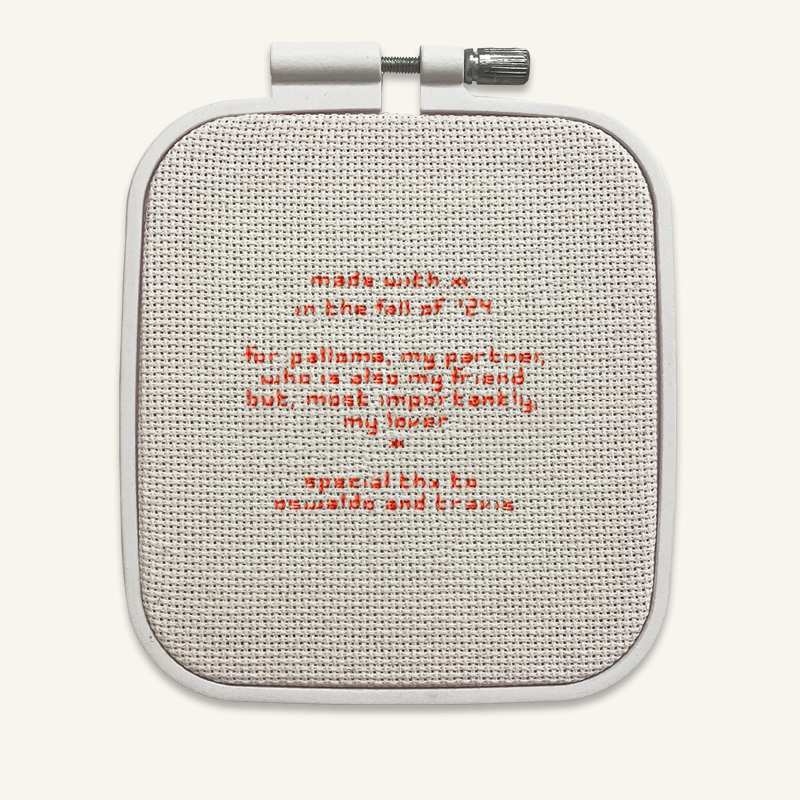
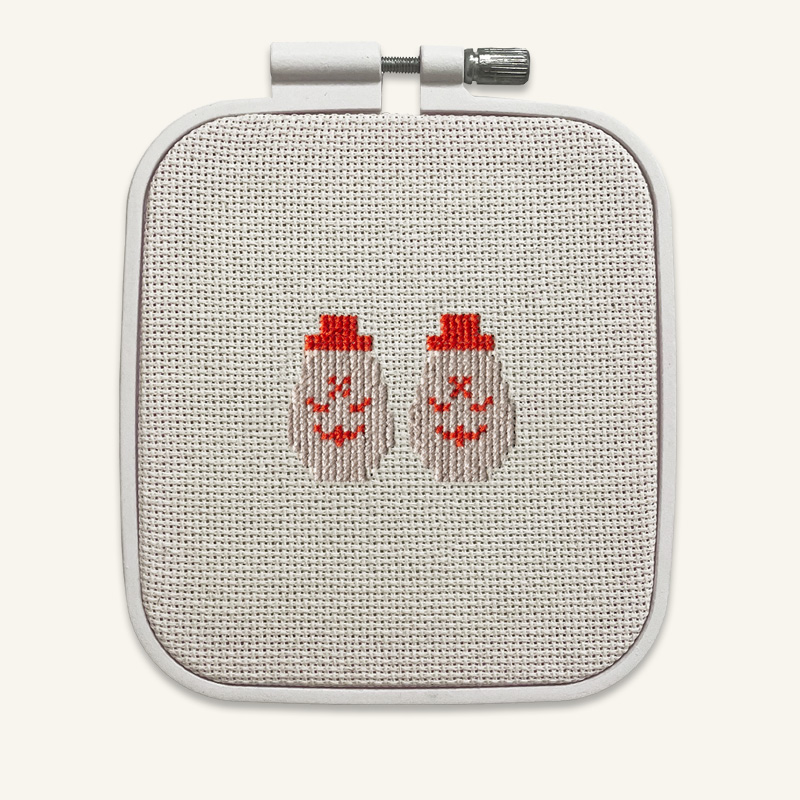
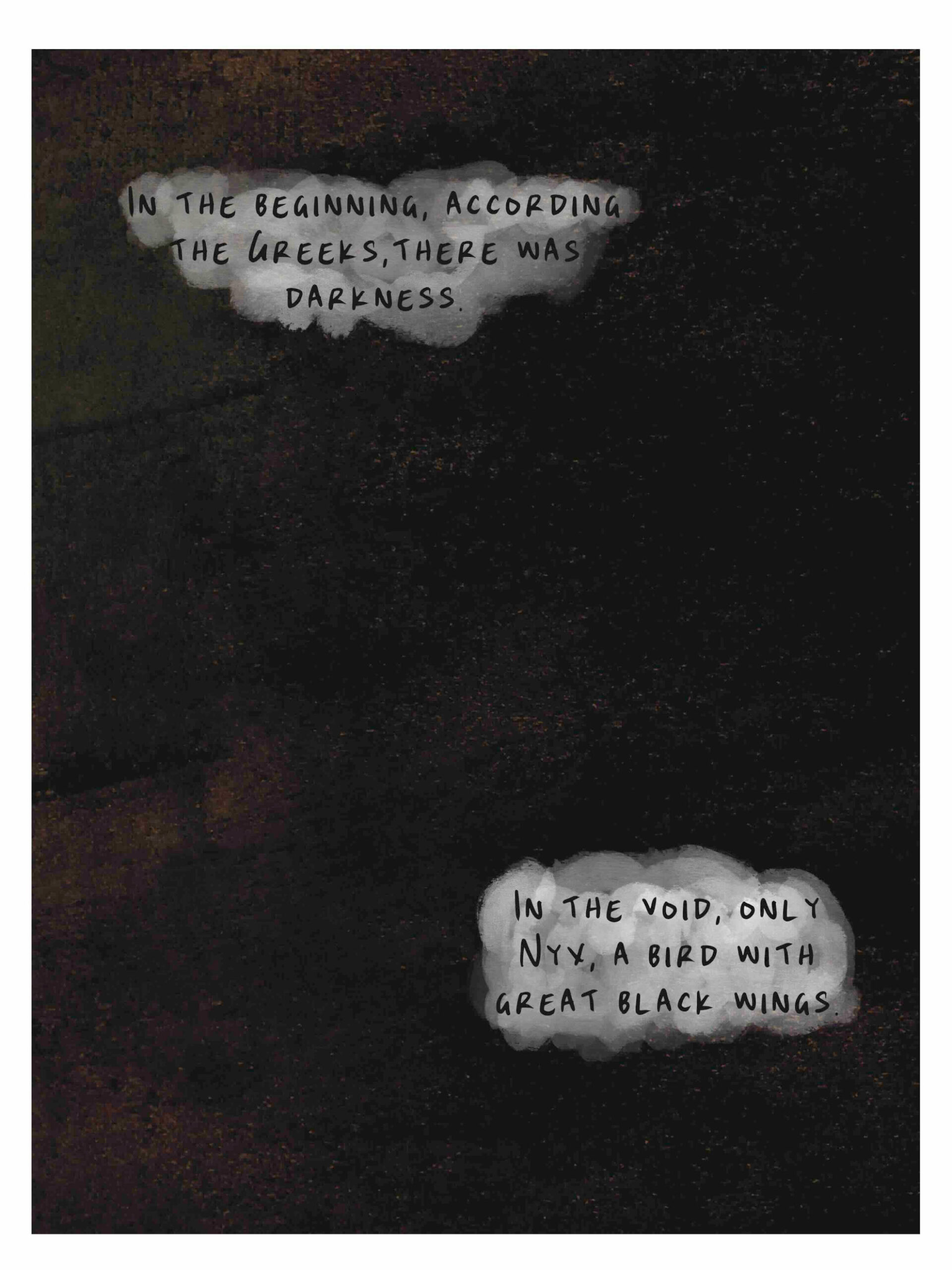
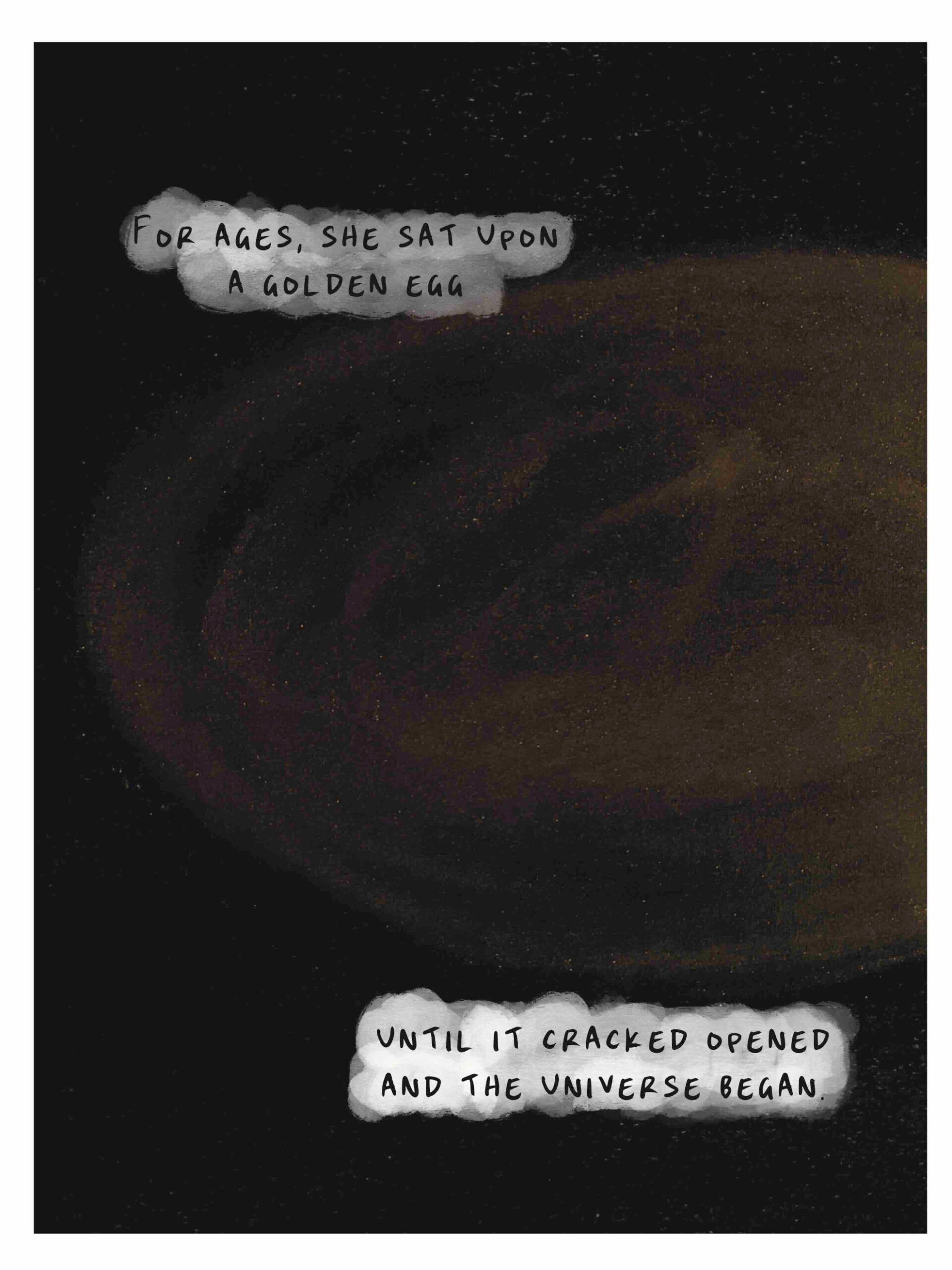
Never Friends always lovers


Kamei (they/them) is a RISO printer, graphic designer and book artist. They have been publishing independently since 2018, and started running their own risograph studio in 2023, in Brazil. Currently, they are pursuing an MFA from the University of Missouri and producing books and zines at Mizzou’s riso facility @therisoroom.


 BACK TO ISSUE
 BACK TO FOLIO