
The Other Side of the Float
Fierce warrior faces loomed out of the night. The blood-stained warriors were painted on a fan-shaped paper lantern as tall as a house, the parade float that we were pulling along.
‘Ya-re, ya-re, ya-re, ya,’ a man shouted into a megaphone.
The other kids all around me yelled it back. Shrill flutes mixed with booming taiko drums and jagara gongs; the music would trail off when there were bends in the road or power lines overhead, but the same chant was repeated over and over.
It’s the Neputa Festival.
In Tsugaru, for one week in August, the Neputa floats are pulled across the green fields. This one’s a small town festival, not as famous as the one in Hirosaki.
Eri was holding a rope tied to the Neputa float, and she looked back over her shoulder at me. ‘Satomi, are your feet okay?’ The way she said ‘okay’ sounded more like ‘onkay’.
‘Bit tired but okay.’
Eri’s in year three, same as me, so she must be eight or nine. I met her yesterday but we got along. Her mum and little brother were walking in the parade too. She has a baby sister as well. Eri’s so confident being a big sister, she looks after the baby and everything. She doesn’t know me that well but she looks out for me too. She was wearing a lemon-coloured summer kimono with ajisai flowers on it, sashed with a pale green obi.
Yesterday she told me to make sure to wear good shoes for the Neputa festival, because we’d walk for ages.
Now she explained that last summer, she’d worn new shoes to match her obi to walk in the parade, got blisters and had to miss two days of the festival. Her baby sister had just been born and her shoes were the last thing on her mum’s mind.
‘Babies are cute, but they’re a lot of work,’ Eri said with a knowledgeable air, then turned back to the front to call out ‘ya-re, ya-re, ya-re, ya!’ Next year, she’d be in year four, and then she’d be allowed to join the musicians. She’d told me they’d been practising for months, meeting up after dinner. She looked so proud, standing straight and tall. Her hair was neatly braided and rolled into two buns that sat just below her ears. I wondered if her mum did her hair for her.
The big Neputa floats glowed with light, and the grownups in the parade had lanterns, but when we walked out into the countryside, rice paddies as far as I could see, the dark got really thick. I hadn’t noticed it walking through streets with houses, but there were hardly any streetlights out here, and the night felt so heavy, way different from Kawasaki. I looked down at my feet and a paddy canal was just ten steps away. The croaking of frogs was closing in. Grandma and Junko had told me that somewhere round here lived a massive frog lord. What did he rule over, out here in the dark? He might sniff me out, because I’m not from here, and drag me down in the mud. My breath came faster and I wanted to go home. Why did they make me walk around at night in this place way up north, where the way everyone talked and the streetlights were all different?
*
Threat-ed pree-term lay-bour.
In my mum’s tummy there was another baby. This time, it stayed and it was growing well, but after eight months, Mum started bleeding and had to go back to the baby doctor. I only had school in the morning that day, so I skipped it and went to the hospital with her.
When Mum came back from behind the curtain, the doctor with bushy white hair was looking at the screen. ‘You should stay here and rest,’ he said.
Mum’s been to this hospital for baby problems loads of times. Every time she’d stay for a couple of days, so I thought this time would be the same.
‘Satomi, I’ve got to stay in the hospital for a while, the doctor says.’
‘Uh-huh. I heard him say that.’
‘I want your little brother born in good health.’
‘Uh-huh. I know.’
‘Satomi, will you be okay if I’m not around?’ Mum’s always calm and gentle, but she can be a crybaby. She looked like she was going to cry but she kept blinking.
Dad teased her that her ‘discussions’ weren’t discussions, they were ‘announcements’. Obviously I couldn’t say I wouldn’t be okay. And I’d survive. Dad’s food is so-so (bit too salty), but he’s fun, so he’d take me somewhere on the weekends, and I could hang out with my friends at the holiday kids club. ‘I’ll be fine.’
I never thought I’d be stuck at my grandparents’ place for the whole summer holiday. Mum said that Dad was a systems engineer so he could work from home if his boss said yes. If I didn’t go and visit Mum, she’d be lonely and she’d cry all alone. She had such a big belly and she had to stay in bed.
‘It’s safer to keep baby in your belly until 39 weeks, if possible,’ the doctor told Mum.
Then the doctor said to me, ‘I bet baby just can’t wait to meet his sweet big sister.’ He was being nice about why my little brother wanted out.
Junko is my dad’s little sister. She used to live in Tokyo until a few years ago. She’s twenty-something, and she said, ‘Don’t you dare call me auntie,’ so I call her Junko. She took me to Disneyland and the Tokyo Skytree. She used to have a boyfriend, and he lived with her, but then he moved out, and she moved back in with her parents in Aomori. Junko used to say ‘Aomori’ the same way I do, the Tokyo way—‘Aah-mori’—but now she says it ‘A – o – mo – ri’, like they do here in Tsugaru.
Junko’s a nurse at the hospital, so she was working mornings while I was there. Grandma was so busy looking after Grandad, who was going to have an operation, and me staying was an extra hassle for them. I blamed my dad. He had dumped me at his parents’ place at an awkward time for them without a second thought. I’m already nine—I was born in May. I’d even explained to Dad that in the summer holidays, I could walk to the kids club all by myself, come back home at 5pm, fry up a bit of meat, cook the rice and wait for him to get back, and I’d be fine with that, but he didn’t listen.
Just before 1pm, after we finished the lunch Grandma made, Junko came back from work, and Grandma left to go and see Grandad in hospital.
‘How’s your homework going?’ Junko asked. She took the clingfilm off her lunch and started to shovel it down.
‘I’ve got about ten more pages of summer holiday homework to go.’
‘From the first of the month, you’ll be busy with Neputa, so you should get that done fast.’
I remembered that ‘should’ didn’t mean ‘must’ in Tsugaru dialect: it was more of a friendly ‘let’s do that’. When I first got here, Junko always used standard Japanese, but she was slipping into Tsugaru dialect when she talked to me.
‘Naofumi really loves the Neputa Festival,’ she said. She explained that when my dad, Naofumi, was a little boy, he’d organised a Kids Neputa and he was always the life of the party.
‘The neighbourhood kids made smaller parade floats that could be pulled by three or four kids,’ Junko said. ‘They paraded them around in a kids-only version, separate to the big Neputa Festivals held by each district. They went door to door, shouting, ‘Come lookit Neputa,’ and asking for spare change.’
‘Kinda like Halloween?’
Junko laughed. ‘I guess they both have scary pictures.’
Two days ago, after we went to visit Grandad in the hospital, we went to Tsugaru-han Neputa Village in Hirosaki City. There were lots of huge Neputa floats and traditional Tsugaru crafts. There was a man playing a Tsugaru shamisen and I’d never heard that before. It was completely different to the electric guitar Dad played when he’d been drinking: it gave me a tingle down the spine, like cracking open the door of a big old abandoned house. As the shamisen twanged on, I whispered in Junko’s ear, ‘Makes me feel kinda cold,’ and she whispered back, ‘This is music that can fight off heavy snowfall.’ I had no idea what she meant by that. When I talk to Junko something’s always a bit off, I don’t know why, but she looks happy to be living in Aomori. Her cheeks are rounder, she’s more easy-going and she laughs more loudly than when she lived in Tokyo.
At the part where the giant Neputa floats are on display, visitors can have a go playing the festival drums. Junko handed me the long thin drum sticks. The sticks were bendier than I thought. It was tricky to hit the drum with the bendy sticks hard enough to get much sound out of it. I bashed away as hard as I could, and the staff joined in on hand-held jagara gongs and flute.
‘Miss, you’re good, really good,’ a lady praised me until I felt uncomfortable, and Junko said, with a proud grin, ‘She has Aomori blood in her veins.’
She kept calling me ‘her niece from Tokyo’, even though Kawasaki is in Kanagawa Prefecture. When I asked her why, she just said, ‘For people who live here, anyone from the Kanto region is from Tokyo.’
*
‘My niece is here from Tokyo. Mmhm, Naofumi’s wife is about to have a baby. Mm, threatened preterm labour. She’s been in hospital all this time, but she’s in her final month. Should be all right. So he wanted the little one to go in the Neputa parade. Really? That’d be great! ’Cause I’ll be on pick up duty.’
After Junko finally got off the phone, she took me to Eri’s house to say hello.
Eri’s dad is the boss of the Neputa Festival here. I didn’t know what she meant by ‘go in the Neputa parade’, but Eri’s mum said, ‘Did you bring a summer kimono? If not, I’ll borrow one from my family.’
Before I figured out what was going on, I was signed up to be in the festival parade.
‘It’s onkay, I’ve got one I used to wear when I was her age.’ Junko thanked Eri’s family, beaming.
Grandma helped me into the yukata that used to be Junko’s, and I followed Eri’s advice and wore trainers, not zori or sandals, to walk for miles on country roads. Junko wasn’t joining the parade because she had other plans. The yukata had big blue yo-yos and goldfish on a white background, with a bright red obi. It was way different to the one Eri was wearing, and I felt self-conscious, but Eri’s mum said, ‘It’s so cute how the goldfish look like traditional goldfish lanterns.’
*
‘Ya-re, ya-re, ya-re, ya!’ Eri’s father led the chant with a megaphone. The children shouted ‘ya-re, ya-re, ya-re, ya!’ back at him, but I couldn’t make myself join in.
‘Ya-re, ya-re, ya is a better chant than yā-ya-dō, don’t you think?’ Eri started chatting to me—maybe she noticed how I’d gone quiet. I had no idea what yā-ya-dō was, but I tried to smile at her. We must’ve been walking for over an hour and I was tired. Eri said that when we went round the next corner up ahead, which wasn’t that far away, we’d see the Neputa hut we started from, and the parade would finish there for the day.
I hoped Mum was okay. She and Dad said it was ‘for the baby’s sake.’ I tried to care more about my little brother but I couldn’t really. I didn’t know what his face looked like, what kind of kid he was or anything about him. But if I said so, they’d think I was bad, so I never told anyone and buried it deep. The truth was, I worried about Mum the most, more than the baby, more than myself too. I didn’t mind being an only child, I wasn’t lonely, but Mum still said she wanted to give me the chance to be a big sister. Mum’s so stubborn, once she makes up her mind to do a thing she’ll do it. Every time she came back from hospital, I’d hear her sobbing in the room next door in the middle of the night. In the living room, Dad turned up the TV and drank more beers than usual. I would lie in bed grinding my teeth—I didn’t want a ‘sibling’ that made Mum cry.
The last time I saw Mum, in her hospital room, was on the 24th of July, just before I got on the bullet train to go to Aomori.
Junko came all the way to Kawasaki to visit her in hospital. Mum had a tube stuck in her hand, and when she heaved herself to sit up in bed, her belly looked like it was literally about to burst. I pushed up her pyjama top to see and there were kind of like cracks around her belly button and her veins were sticking out.
‘I’ll start using the oil Junko gave me today,’ she said, pulling her top back down.
Mum and Junko chatted until it was time to go.
‘You two will get to meet each other soon.’ Mum rubbed her belly with one hand, the hand with the tube in it, and stroked my hair with the other. She looked a bit more awake now. ‘Junko, thank you so much for looking after Satomi.’
*
Suddenly, the big drums at the back of the procession thundered out all at once, like a grand finale. I wondered if the drummers took turns. All the grownups began to shout happily and jump around. The racket was so loud it could reach my mother’s belly and my baby brother would go berserk. It was so powerful. But it’s not good for the baby to come early. It’s not good.
‘Naofumi!’
Someone had the same name as my dad. The parade was about to wrap up, and everyone was getting tired. The powerful drums fired us up again, like the ritual water given to sumo wrestlers before they fight. I whipped around and saw a familiar, tall man in shirtsleeves, beating a taiko drum with all his might. He nodded toward us. ‘Satomiii!’
‘Dad…’ I stared at him.
‘Is that your dad, Satomi?’ Eri was surprised too.
‘So he came on the evening bullet train without letting Satomi know.’ Eri’s mum smiled.
Dad handed the drum sticks to someone else and ran toward us. He swung me up in his arms, saying my name again, and gave me a peck on the cheek.
I wanted to say, ‘Your beard’s too scratchy,’ but I burst out crying.
‘Naofumi, don’t make your daughter cry,’ someone mocked.
‘What you mean? She’s shedding tears of joy at the sight of my handsome face,’ he shot back in Tsugaru dialect, and then said to me in standard Japanese, ‘Satomi, did I give you a shock?’
My dad, with his beery breath, could easily switch like that, but in both dialects what he said was beside the point. Grumpily I butted my head into his chest. He couldn’t see what was going on with me, and it was really annoying sometimes. He didn’t get how I felt or how Mum felt, he just swept us all up in his good vibes.
‘Satomi’s been so worried about her mum, she’s been bottling it up.’ Eri’s mum was dabbing at my eyes.
‘Come lookit the Neputa,’ he said. Without worrying about me, he ran around behind the float, still holding me in his arms, and rushed over to various people he knew. ‘Lookit my lil’ daughter!’
On the back of the Neputa float was painted a picture of a graceful woman, very different to the warriors on the front. Her head was tilted to the side, like she was tired. The woman was as pale and slender as if she came straight from a folk tale, wearing light blue. The blue reminded me of Mum’s favourite pyjamas. When will I see Mum again? My eyes twinged again, right in the corners, and I buried my face in Dad’s chest.
Eri’s dad shouted, ‘Neputa no mondoriko!’
The flute music changed and the drums slowed down a bit. It sounded like it would all be over for the day soon.
‘When we get to the Neputa hut, you’ll get some snacks and juice. Beer for me!’ Dad was enjoying his first festival in ages. ‘Your mum wants to come along too—next year it’ll be the four of us.’
When I looked up, he winked at me and made a face like the warriors on the floats.
‘Naofumi, lend us a hand?’ Lots of people were calling my dad.
‘Let me down,’ I told him. I shook off his arms and ran straight toward Eri. I was going to be a big sister.
¹ Tsugaru dialect: daijōbu sounds more like daijonbu.
² beshi
扇灯りのたもとで
夜の闇にぼぉっと浮かび上がる猛者の顔。少し血生臭い勇壮な姿が、扇型の行燈に描かれている。
「ヤーレヤーレヤーレヤ」
荒く音頭をとる大人に続いて、子供達の甲高い囃子声が、その山車を先導していた。太鼓とじゃがらで織りなすリズムに、横笛の滑らかな旋律が流れ、曲がり角や電線などの障害物につきあたった時に止まることはあるけれど、そのわずかな数小節は運行中、絶え間なく繰り返される。
ねぷた祭り。ねぷたは、八月の夜、一週間という短い期間、真緑の津軽の野づらを渡り歩く。弘前市のねぷた祭りが有名だが、津軽一帯の小さな町や村で、それぞれのねぷた祭りが開催されている。
「足、大丈夫?」
私の前で、ねぷたにつながるロープを握ったえりちゃんが、振り返って私に声をかけた。えりちゃんが話す「だいじょうぶ?」は、「ダイジョンブ?」に聞こえる。
「ちょっと疲れてきたけど、平気。」
昨日、叔母に紹介されて知り合ったばかりのえりちゃんは、同じ小学三年生だ。五歳の弟とお母さんが、えりちゃんの前を歩いていた。弟のほかに、まだ一歳の妹もいるそうだ。えりちゃんは面倒見がよさそうで、いかにも「お姉ちゃん」らしい。よそ者の私にも、物怖じせずに親切に話しかけてくれる。
「けっこう、長い距離歩くはんで、慣れだ靴が一番だよ。」
昨日、そう教えてくれたえりちゃんは、レモン色に紫陽花が描かれた浴衣にペールグリーンの帯を合わせている。去年の夏、帯に似た色の新しい靴で参加したところ、靴擦れを起こしてしまい、祭りを二日間、休む羽目になったそうだ。妹が生まれたばかりで、お母さんはえりちゃんの靴にまで気が回らなかった、と。
「赤ちゃんって可愛いけど、お世話は大変だはんで。」
えりちゃんは訳知り顔で語ったあと、向き直り、「ヤーレヤーレヤーレヤ」と囃した。来年にはえりちゃんも四年生になるから、ねぷたの楽器隊に加われるのだそう。二ヶ月くらい前から、夕ご飯のあと、集会所に集まって練習をするのだという。ねぷた祭りを解説してくれるえりちゃんは、背中越しにも誇らしげに見えた。えりちゃんの髪は、綺麗に編み込みされていて、二つのお団子が耳の下あたりに並んでいた。お母さんが結ってくれたのだろうか。
ねぷた本体の灯りのほかに、隊を先導する大人がもつ提灯などの明かりはあるものの、水田風景が一帯に広がる農道にさしかかると、闇はぐんと深まった。住宅街を歩いているときはそれほど感じなかったけれど、街灯の数が極端に少なくて、川崎とはあまりにも違う夜に圧倒されそうだった。足元をみると、十歩も横に行けば、田んぼの用水路だ。何十匹もの蛙の鳴き声も迫ってくる。ばっちゃや純子ちゃんが話していたけれど、この辺りには、とても大きな蛙の「主」が住んでいるそうだ。「主」はこの闇のなかで何を支配しているのだろう。主がよそ者の私を見つけて、泥に引きずり込んだりしないだろうか。想像するだけで怖くなり、おうちに帰りたくなった。私は、どうしてこんな北国の、言葉も街の灯りも違う町で、夜道を歩いているのだろう。
セッパクソウザンー。
お母さんのお腹に何回目かの赤ちゃんが来た。今回は、順調にやっと育ってくれて、八ヶ月目を過ぎてから出血があり、急遽、産婦人科を受診した。たまたま学校が午前授業の日だったし、私もこっそり休んで、病院についていったのだった。
「入院して安静がいいね。」
ふさふさの白髪先生は、カーテンの向こうから戻ってきたお母さんに、画面を見ながら告げた。
お母さんは、これまでにも赤ちゃん関係(私はこう呼んでいる)で、ここの病院で入院したことがあって、白髪先生はお母さんの体質をわかっていたし、お母さんも先生を信頼していた。入院と言ったって、どちらも二、三日で退院してきたし、今回の入院もそれぐらいのものだと見積もっていた。
「さーちゃん、お母さんね、入院しなきゃだめだって。」
「うん。聞いてたよ。」
「お母さんね、さーちゃんの弟を元気に産んであげたいんだ。」
「うん。わかるよ。」
「さーちゃん、お母さん居なくても平気かな?」
お母さんは、いつも穏やかで優しいけれど、泣き虫なのが玉に瑕だ。すでに目を潤ませているし、そのくせ、けっこう強情だ。
お母さんがする「相談」は、「相談」ではなく「報告」だ、とお父さんがよくひやかした。もちろん、私に「やだ」の回答権はない。それにたぶん乗り切れる。お父さんのご飯もまあまあ美味しいし、(ちょっと味が塩っ辛いけれど)、楽しいことが大好きなお父さんのことだから、週末はきっとどこかに連れて行ってくれるし、学童にだって仲良しはいるから、それなりに過ごせるし。「平気だよ。」と答えたのだった。
それが、まさか、夏休みの間、お父さんの実家に置いていかれるなんて、想像していなかった。お父さんはシステムエンジニアだから、会社に相談すれば、おうちで仕事をすることだってできるから、ってお母さんは話していたのに。私がお見舞いにいかないと、お母さんは寂しくて、またひとりで泣いてしまうかもしれないのに。あんな大きなお腹で、ずっと寝たきりでいなきゃいけないというのに。
「38週、できれば39週まではお腹に置いてあげた方が安心だからね。」
白髪先生は母に説明した後、「赤ちゃん、可愛いお姉ちゃんに早く会いたいんだろうな。」と、早く出たがっている弟をかばった。
純子ちゃんは、お父さんの妹で、数年前まで東京で暮らしていた。まだ二十代だったから「叔母ちゃんは勘弁。」となり、純子ちゃん、という呼び名になった。一緒にディズニーランドも、東京スカイツリーにも行った。当時は、同棲中のカレもいたのだけれど、結婚しないままお別れしてしまい、数年前に青森の実家に帰っていた。あの頃の純子ちゃんは青森を「アーモリ」と、私と同じ風に発音していたのに、今では、「ア・オ・モ・リ」と、すべての母音を強く言う。
近くの病院で、看護助手の仕事に就いている純子ちゃんは、私の滞在に合わせて、シフトを午前だけにしてくれたようだ。ばっちゃは手術を控えているじっちゃの世話で、これまた忙しそうにしていて、自分が厄介者のような気がして居心地が悪かった。実家がこんな大変な最中に、無神経にも私を預けたお父さんに対して裏切られた思いもしていた。私は五月生まれだから、もう九歳。夏休み中も、学童に一人で通って、五時になったら一人で家に帰って、簡単なお肉ぐらいなら炒めて、ご飯を炊いて待っていられるから、私は平気だから、ってお父さんにあれほど言ったのに。
ばっちゃが作ってくれた昼ごはんを食べ終えた午後1時前、純子ちゃんがパートから帰宅してきて、ばっちゃは、入れ替わりにじっちゃの病院へ向かった。純子ちゃんは、ラップをはずした昼ごはんを掻き込むようにして私に問いかけた。
「宿題どう?」
「あと十ページくらいで夏休みドリルは終わるよ。」
「一日(ついたち)から、ねぷたで忙しくなるはんで早く終わらせるべし。」
どうも、この「べし」は津軽弁では、「〜すべき」ではなく、「そうしようね。」の提案表現になるらしい。こちらにきて一週間ぐらいは、純子ちゃんも標準語で話してくれたのに、だんだんと、私にも津軽弁で話すようになっていた。
「尚文こそ、ねぷた好きだんだ。」
お父さんが小さい頃、『こどもねぷた』を製作して、近所でも有名な盛り上げ役だったらしい話を続けた。
「三、四人で引っ張れる小型のねぷたを、子供だちがつくって、地区ごとの大きいねぷたとは別に、子供達だけで引っ張ってまわるの。『ねぷたっこ見でけろじゃ。』って、一軒一軒回ってお小遣いねだるの。」
「ハロウィンみたいな感じ?」
私の例えをきいて、純子ちゃんが吹いた。
「んだね。どっちもおっかない絵だしね。」
おととい、入院中のじっちゃの病院を見舞い後、弘前市の「津軽藩ねぷた村」を訪れた。大型ねぷたや津軽の工芸品が展示され、販売もされている。初めて津軽三味線の演奏を聞いた。お父さんが酔っ払ったときにだけ弾く、エレキギターとは違う、ちょっぴり妖艶で、怖い弦の響き。がらんどうの、古いお屋敷の戸を開けたときのような、背中がぶるっとして、痺れてくる、そんな圧力を覚えた。演奏中、純子ちゃんに「なんか寒くなる。」と耳元で伝えると、「大雪と闘える音だんだ。」と意味不明に返された。純子ちゃんとの会話は、どこかいつもずれるのだけれど、本当に青森のことが好きなんだ、となんとなく思う。東京にいた時よりも、ふっくらとして、開けっ広げになったし、大声でよく笑う。
大型ねぷたの展示コーナーでは、祭り用太鼓の試奏ができた。純子ちゃんは、私に長くて細いバチを持たせた。このバチが意外によくしなる。しなるバチを太鼓に当てて、それなりの音量を出すのが難しい。精一杯の力を込めて叩いたら、係りの人たちが「じゃがら」と呼ばれる手持ち鐘と、横笛で、私の太鼓に合わせてくれた。
「お嬢さん、上手、上手。」
係員のお世辞に、こそばゆくなっている私の横で、
「青森の血が流れてるはんで。」
純子ちゃんは妙に得意げだった。
川崎は神奈川県なのに、純子ちゃんはいつも「東京から来た姪」と説明した。理由を聞いたら、「こっちの人にとって、関東はみんなトーキョーだの。」と強引にくくった。
「トーキョーから姪っこ来てらんだ。ん、尚文の奥さん、お産近くてさ。ん、切迫早産。ずっと入院してらんだばって、もう臨月だね。大丈夫だびょん。んで、ねぷたさ出してやってけって言われでで。んだ?助かるー。わ、迎えに行がねばまねくてさ。」
そう純子ちゃんが誰かと電話したあと、私は、えりちゃんの家に挨拶に連れていかれたのだった。
えりちゃんのお父さんが、この地区のねぶたを仕切っているらしい。私は、「ねぷたに出る」の意味もわからないままなのに、えりちゃんのお母さんは
「浴衣あるな?ねば、親戚から借りでくるよ。」
あれよあれよと祭りに参加させられることになっていた。
「わの小さい頃に着たのあるはんで、ダイジョンブ。」
純子ちゃんは笑顔でお礼を伝えた。
私は、ばっちゃに、純子ちゃんのおさがりの浴衣を着せられて、えりちゃんのアドバイスに従い、草履でもサンダルでもなく、スニーカーを履き、馴染みのない田舎道を歩いていた。純子ちゃんは、何やら用事があるとかでねぷたには出なかった。青色のヨーヨーと金魚が大きく描かれた白地の浴衣に、朱色の帯は、えりちゃんが着ている今風のデザインとは大きく違っていて、気恥ずかしかったけれど、えりちゃんのお母さんは「金魚ねぷたみたいでめんこい。」と言ってくれた。
「ヤーレヤーレヤーレヤ」
拡声器を使って音頭をとっているのは、えりちゃんのお父さんだった。お父さんの掛け声に続けて、子供達の元気な「ヤーレヤーレヤーレヤ」が響くけれど、私はまだ、このお囃子を口に出せないでいた。
「『ヤーヤドー』より、『ヤーレヤーレヤーレヤ』の方がいいと思わない?」
そんな私に気づいてか、えりちゃんが話しかけてくれる。私は『ヤーヤドー』が何かもわからず、愛想笑いをした。歩き始めて一時間以上経っただろうか。疲れていた。えりちゃんの話によると、四百メートルぐらい先のあの角を曲がれば、最初に出発した「ねぷた小屋」が見えてくるから、そこで今日の運行は終わりらしい。
お母さん、大丈夫かな。「赤ちゃんのため」って、お母さんもお父さんも言う。けれど本当は、顔も性格もわからない弟のことなんて、心の底からは心配してやれなかった。それを言ったら、私は悪い子になっちゃいそうだから、口に出さずにずっとしまっておいた。本当は、赤ちゃんのことより、自分のことより、お母さんのことが気がかりだった。私は一人っ子でも寂しくなんかないのに、お母さんは「さーちゃんをお姉ちゃんにしてあげたいの。」と言う。お母さんは頑なだから、一度決めたことは絶対に叶えたい人。入退院のたびに、夜中、隣の部屋で声をあげて泣いていた。お父さんは、リビングでテレビの音量を上げて、いつもより多めのビールを開けた。私はベッドのなかで、大事なお母さんを泣かせる「キョウダイ」なんて欲しくないって、奥歯を噛んだ。
最後にお母さんと、病室で会ったのは、新幹線に乗る直前の七月二十四日だったと思う。
純子ちゃんがわざわざ川崎までお見舞いにきてくれた。左手に点滴をし、ベッドでゆっくりと上半身を起こしたお母さんのお腹は、文字通り、はちきれそうになっていた。私がパジャマをめくったら、おへそのまわりにひびみたいなのができていて血管も浮き出ていた。
「純子ちゃんがくれたオイルを今日から塗ってみるんだ。」
気恥ずかしそうにパジャマを戻した。
「もうすぐ会えるからね。」
前より少しキリリとしたような顔つきになったお母さんは、左手でお腹をさすりながら、右手で私の髪を撫でた。
「純子ちゃん、本当にありがとう。さとみのこと、よろしくお願いします。」
突然、後方の太鼓の音が大きく響いた。叩き手が交替したのだろうか。大人同士が楽しそうな声をあげてはしゃぎ始めた。この音は、お母さんのお腹に響いて、弟が暴れ出しそうだ。強い。赤ちゃんが早くに出てきてしまってはよくないのに。よくないのに。
「尚文!」
誰かがお父さんと同じ名前で呼ばれていた。運行も終盤で疲れが滲み始めた隊に力水のようなどよめきが起きた。後ろを振り返ると、よく見慣れた背の高い男がワイシャツのまま、太鼓を叩いていた。こちらにひょいと顔を出し、「さとみー」と声をあげた。
「お父さん・・・。」と私が目を丸くしながら呟くと、
「さとみちゃんのお父さんなの?」とえりちゃんも驚き、
「さとみちゃんに内緒で、夕方の新幹線で帰ってきたんだって。」
えりちゃんのお母さんが目を細めた。
太鼓のバチを誰かに渡して、お父さんはこちらに向かって走ってきた。私を抱き上げると「さーちゃん」と言って、ほっぺにチュウをしてくる。「ヒゲ痛い。」と言いたかったのに、代わりに涙が込み上げてきた。
「尚文、娘とば泣がせるなー。」
誰かに冷やかされると
「なんもや。男ぶりいい、わの顔見で、感動の涙とば流してらだけだね。」
と返してから、
「さーちゃん、ドッキリさせ過ぎちゃった?」
ちょっぴりビールの匂いがする息で、バイリンガルのように言葉を使い分けるお父さんは、その器用さとは正反対に、どちらも見当はずれだった。「もおっ」と怒ったふりで、お父さんの胸に頭突きをしてやった。たまに憎たらしくなるほど、どこかずれている。私の気持ちもお母さんの気持ちもわかっていないくせに、すべてを勢いで包み込み、その場をさらってしまう。
「お母さんのこと心配で、さとみちゃんは、いっぱい我慢してきたんだびょん。」えりちゃんのお母さんが、目をこすっていた。
「ねぷたっこ見でけろじゃ。」
「娘っこ、見でけろじゃ。」
お父さんは、そんな私に構うことなく、私を抱きかかえたまま、ねぶたの後ろへ回り、あちらこちらにいる知り合いに駆け寄った。
ねぶたの後ろには、表の武者とはまったく印象が違う、優美な女性の絵が描かれていた。小首を傾げて、少し悲しげに立っている。昔話に出てきそうな、色白で切れ長の女性は、水色の薄い布地を纏っていた。お母さんのお気に入りのパジャマの色に少し似ている。あのパジャマを着られる体に戻れるのだろうか。目頭の奥が、またじんわりしてくるのを感じて、お父さんの胸に顔をうずめた。
「ねーぷたのもんどりこ」
笛の音色がやや変わり、一瞬テンポがゆっくりとなった。えりちゃんのお父さんの合図で、今日の運行がまもなく終わるのが私にもわかった。
「ねぷた小屋に着いたら、ジュースやお菓子をもらえるぞ。俺はビール。」
お父さんは久しぶりのねぷたが楽しくて仕方ないようだ。
「おかあさんもねぷたに出てみたいってさ、来年は四人で参加だな。」
私が顔をあげると、お父さんはウィンクしたあと、ねぷたの鏡絵の顔真似をして戯けた。
「尚文ー、こぢ手伝ってけろ。」
あちらこちらから、お父さんを呼ぶ声がした。私は「降ろして」と、お父さんの腕を振り解き、えりちゃんめがけて駆け出した。
Translator’s Note:
When Tamaki Senomoto first shared this story with me in June 2025, I immediately wanted to attempt a translation, although I knew it wouldn’t be easy. It spoke to me as a proud uplifting of Tsugaru dialect and tradition, as well as an authentic, wholesome insight into family life, while presenting a complex challenge for translation. There were difficulties on many fronts: recreating its use of dialect, conveying cultural aspects a reader may not be familiar with, and capturing the voice of its nine-year-old protagonist. I had previously undertaken a series of short story translations set in different prefectures of Japan (2020-22), under the aegis of the Japan Cultural Expo, which spurred me on to tackle this story, set in Aomori Prefecture.
Tsugaru-ben, which is an endangered dialect spoken in the Tsugaru region of western Aomori Prefecture (northern Tōhoku), is famously one of the most difficult for non-speakers to understand; historically this has led to prejudice and marginalisation. It uses heavy contractions, voices consonants that go unvoiced in standard Japanese, has a strong nasal quality and uses a distinctive intonation and rhythm that Japanese speakers have compared to French. Aomori Prefecture has a rich literary history and present, which includes a vernacular movement which began in the 20th century; a full discussion of this is beyond the scope of this note.
Where possible, the Tsugaru-ben found in the dialogue is reflected in English-language pronunciations (e.g. ‘onkay’ for ‘okay’) and by shortening standard expressions (e.g. ‘What you mean?’) to give a more direct sense of its variation. We felt that alternate strategies for translating dialect were less suitable, such as substituting an ‘equivalent’ English-language dialect (e.g. Doric), which would conjure up the spirit of a location widely removed in place/time from Tsugaru in northern Japan, or inventing a fictional dialect out of whole cloth.
The translation was completed in close collaboration with Senomoto, using a shared document and emailing back and forth: as a result, with the author’s permission, many aspects were made more explicit in English in order to be accessible. These range from minor glosses, where an English word is added to the original Japanese word (e.g. ‘jagara gongs’, ‘ajisai flowers’, ‘sashed with a pale green obi’) to in-text explanations of festival floats and traditions, and an extra sentence at the very end to capture the meaning of the story for an English-language reader, who would otherwise likely be confused, whereas in Japanese the implication is clear and it is more elegant to leave this unsaid.
Other aspects alluded to may be impossible to grasp without some familiarity with the region in question. For example, the history of Tsugaru shamisen, pioneered by the master Chikuzan Takahashi, who created an original way of playing despite his blindness, his poverty and the efforts required to survive the severe climate with its heavy snowfalls. The struggles he experienced living in Tsugaru were expressed in his music; a music which has been compared to jazz.
We hope that this translation will expose more readers to the unique cultural vibrancy of the Tsugaru region.
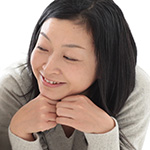
Tamaki Senomoto (瀬本 環) is a writer and poet from Aomori, Japan. She showcases the rich diversity of Tsugaru dialect in prose, one of the most distinctive and difficult dialects of Japan, which is at risk of disappearing. Her work draws on the inner life of families and Tōhoku tradition, along with a deep love for American literature, French cinema and roots music.

Sharni Wilson is an Aotearoa New Zealand writer of fiction and a Japanese-to-English literary translator. She is a three-time graduate of the British Centre for Literary Translation Summer School. In 2020, she was a finalist for Lunch Ticket’s Gabo Prize for Literature in Translation & Multilingual Texts.
 BACK TO ISSUE